The Anti-Inflammatory Diet: Targeting Abdominal Fat Through Nutrition
Shedding stubborn belly fat is a common goal, not just for aesthetics but primarily for better health. Abdominal fat, particularly visceral fat that surrounds organs, is linked to a higher risk of heart disease, type 2 diabetes, and other metabolic issues. While spot reduction isn’t possible, a strategic dietary approach, combined with regular physical activity, can significantly help in reducing overall body fat, including that around your midsection. This comprehensive guide will explore nutrient-dense foods that can support your journey to a healthier, leaner you by boosting metabolism, increasing satiety, and improving gut health.
The Power of Protein for Abdominal Fat Reduction
Protein is a macronutrient powerhouse when it comes to weight management, especially for targeting belly fat. It increases satiety, meaning you feel fuller for longer, which naturally leads to reduced calorie intake. Furthermore, protein has a higher thermic effect of food (TEF) compared to fats and carbohydrates, meaning your body expends more energy to digest and metabolize it.
How Protein Boosts Metabolism and Satiety
Increased Satiety: Protein signals the release of appetite-suppressing hormones like PYY and GLP-1, helping to curb cravings and overeating.
Higher Thermic Effect: Digesting protein burns more calories than digesting carbs or fats, providing a slight metabolic boost.
Muscle Preservation: Adequate protein intake helps preserve lean muscle mass during weight loss, which is crucial as muscle burns more calories at rest than fat.
Excellent Protein Sources
Lean Meats: Chicken breast, turkey, lean beef cuts. Aim for grass-fed options when possible for better nutrient profiles.
Fish and Seafood: Salmon, tuna, mackerel, cod. Fatty fish like salmon are also rich in omega-3s, which have anti-inflammatory benefits.
Eggs: A complete protein source, versatile and affordable.
Legumes: Lentils, chickpeas, black beans. Great sources of plant-based protein and fiber.
Dairy Products: Greek yogurt, cottage cheese. These are also often rich in probiotics, beneficial for gut health.
Actionable Takeaway: Incorporate a lean protein source into every meal and snack. For example, start your day with Greek yogurt and berries, have a salad with grilled chicken for lunch, and finish with baked salmon and vegetables for dinner.
Fiber-Rich Foods: Your Gut’s Best Ally
Fiber, particularly soluble fiber, plays a critical role in reducing belly fat. It forms a gel-like substance in your digestive tract, slowing down digestion and nutrient absorption. This leads to increased feelings of fullness and helps stabilize blood sugar levels, preventing insulin spikes that can promote fat storage around the abdomen.
Soluble vs. Insoluble Fiber and Belly Fat
Soluble Fiber: Dissolves in water, forming a gel. It feeds beneficial gut bacteria, which produce short-chain fatty acids (SCFAs) linked to reduced inflammation and improved metabolic health. Studies have shown that increased soluble fiber intake can lead to significant reductions in visceral fat over time.
Insoluble Fiber: Doesn’t dissolve in water and adds bulk to stool, aiding in regular bowel movements. While not directly linked to belly fat reduction in the same way as soluble fiber, it’s essential for overall digestive health.
Top Fiber-Packed Foods
Oats: A fantastic source of soluble fiber (beta-glucan). Start your day with a bowl of oatmeal.
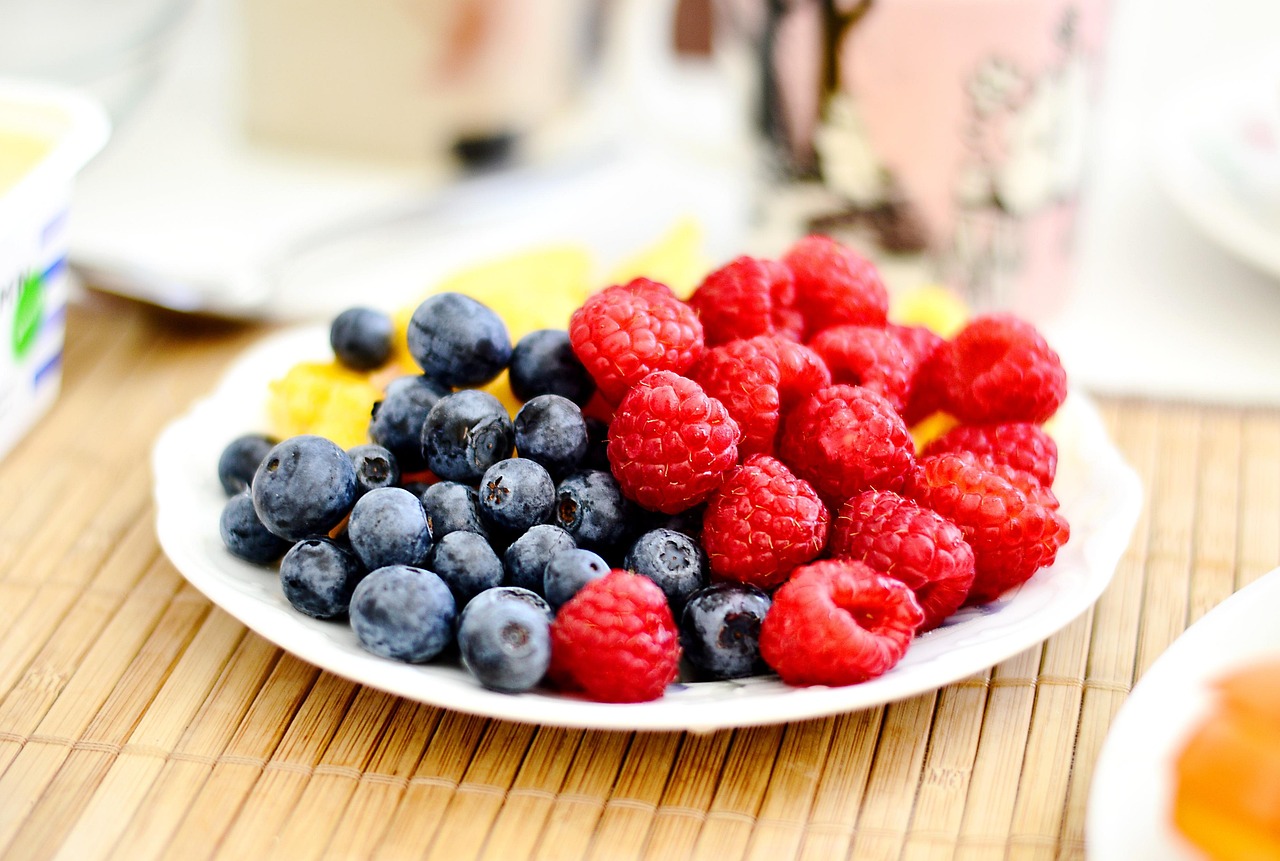
Berries: Raspberries, blueberries, blackberries are loaded with fiber and antioxidants.
Legumes: Beans, lentils, peas are incredibly rich in both soluble and insoluble fiber.
Vegetables: Broccoli, Brussels sprouts, carrots, leafy greens. Aim for a variety of colorful vegetables.
Fruits: Apples, pears (with skin), oranges.
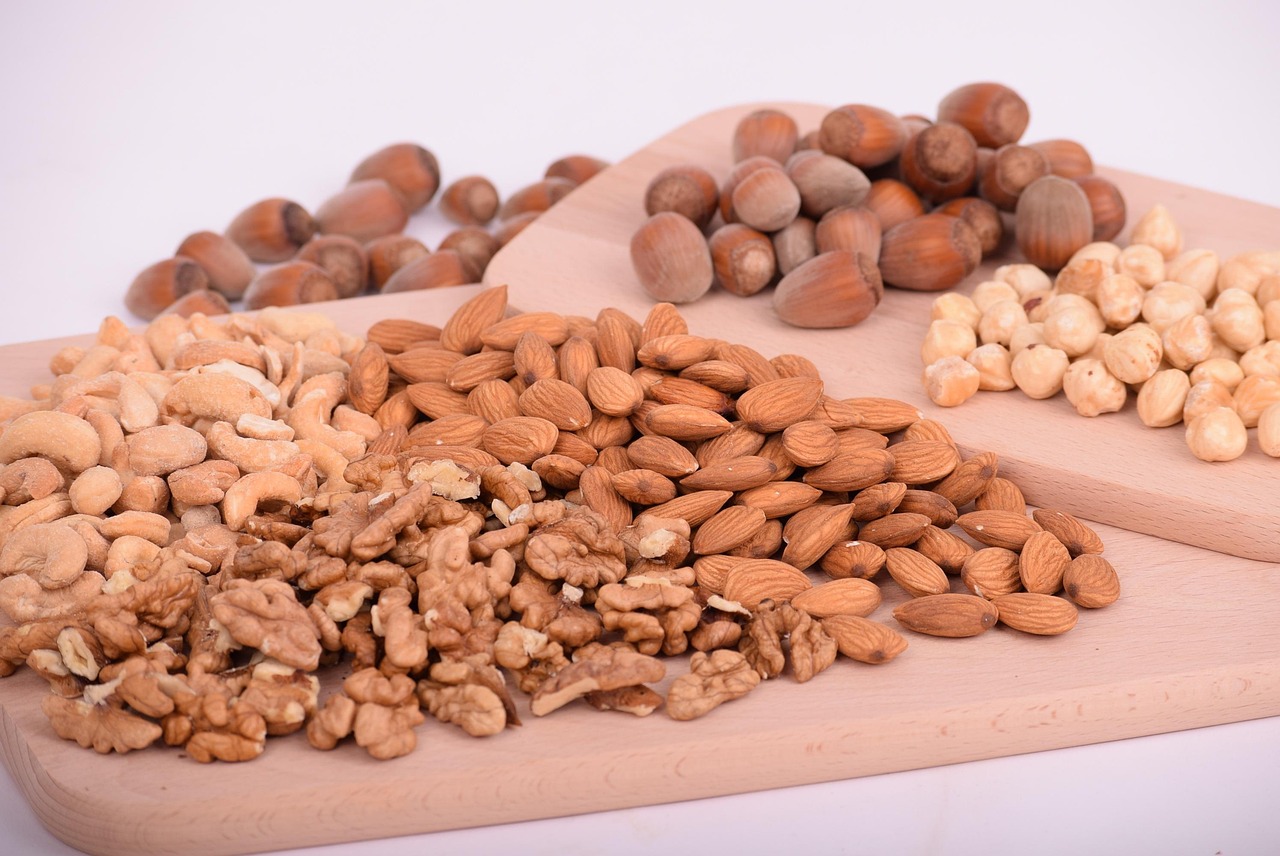
Nuts and Seeds: Chia seeds, flaxseeds, almonds are excellent sources of fiber and healthy fats.
Actionable Takeaway: Aim for at least 25-30 grams of fiber per day. Add a tablespoon of chia seeds to your smoothie, snack on an apple, or include a generous serving of beans in your chili or salad.
Healthy Fats: Essential for Satiety and Metabolism
The idea that all fats are bad for weight loss is outdated. Healthy fats are crucial for satiety, hormone production, and nutrient absorption. Incorporating the right types of fats can help reduce cravings and prevent overeating, ultimately supporting your goal to reduce belly fat.
The Role of Monounsaturated and Polyunsaturated Fats
*Monounsaturated Fatty Acids


Post Comment