Smart Start: Crafting Your At-Home Movement Practice

Embarking on a fitness journey can feel daunting, but it doesn’t have to involve expensive gym memberships or complicated equipment. The truth is, the most effective place to start building a healthier, stronger you is often right in your own living room. A well-structured starter workout plan at home offers unparalleled convenience, privacy, and flexibility, making it the perfect entry point for anyone looking to kickstart their fitness goals without the intimidation factor of a public gym. This detailed guide will equip you with everything you need to begin your transformative journey from the comfort of your own space.
Why Start Your Fitness Journey at Home?
The decision to begin exercising is a powerful one, and choosing your home as your primary workout space comes with a multitude of advantages, especially for beginners. It removes many common barriers to entry, making fitness more accessible and sustainable.
Unbeatable Convenience and Flexibility
One of the biggest hurdles to consistent exercise is finding the time. An at-home workout plan eliminates travel time to a gym, allowing you to fit exercise into even the busiest schedules.
No Commute: Save precious minutes (or hours) by not having to drive to a gym.
Anytime Access: Work out whenever suits you best—first thing in the morning, during a lunch break, or late at night.
Adaptable to Your Day: Life happens. If a meeting runs long or a child needs attention, you can easily shift your workout time without penalty.
Cost-Effectiveness
Fitness doesn’t have to break the bank. Starting at home is arguably the most budget-friendly way to get active.
No Membership Fees: Avoid recurring monthly or annual gym fees that can quickly add up.
Minimal Equipment: Many effective starter workout plans require no equipment at all, relying solely on your body weight. If you do invest, it’s typically a one-time purchase.
Save on Attire and Travel: No need for fancy gym clothes or gas money to get there.
Privacy and Comfort
For many beginners, the thought of working out in front of others can be intimidating. Your home provides a safe, comfortable, and judgment-free zone.
No Intimidation: Learn new movements and build confidence without feeling self-conscious.
Personal Space: Enjoy your music, wear what you want, and sweat without worrying about others.
Focus on Yourself: Concentrate fully on your form and effort, rather than external distractions.
Actionable Takeaway: Embrace the comfort and flexibility of your home environment. List out the top three reasons you want to work out at home—this personal motivation will be a powerful tool.
Essential Preparations for Your Home Workout Space
Before you jump into your first set of squats, a little preparation can go a long way in ensuring your home workout experience is safe, effective, and enjoyable.
Clearing Your Space
Designating a specific area for your workouts, even if it’s just a corner of a room, helps mentally prepare you and prevents accidents.
Adequate Room: Ensure you have enough space to move freely in all directions (side-to-side, forward-backward, and overhead) without hitting furniture or walls. A 6×6 foot area is often sufficient.
Clear Hazards: Remove any rugs, loose items, or obstacles that could cause you to trip or fall.
Good Ventilation: Open a window or use a fan to keep the air fresh and cool, especially during more intense sessions.
Basic Equipment (or None at All)
The beauty of a starter workout plan at home is that you truly need very little to get going.
Bodyweight is King: For beginners, bodyweight exercises are incredibly effective for building foundational strength and endurance. You don’t need any equipment to start.
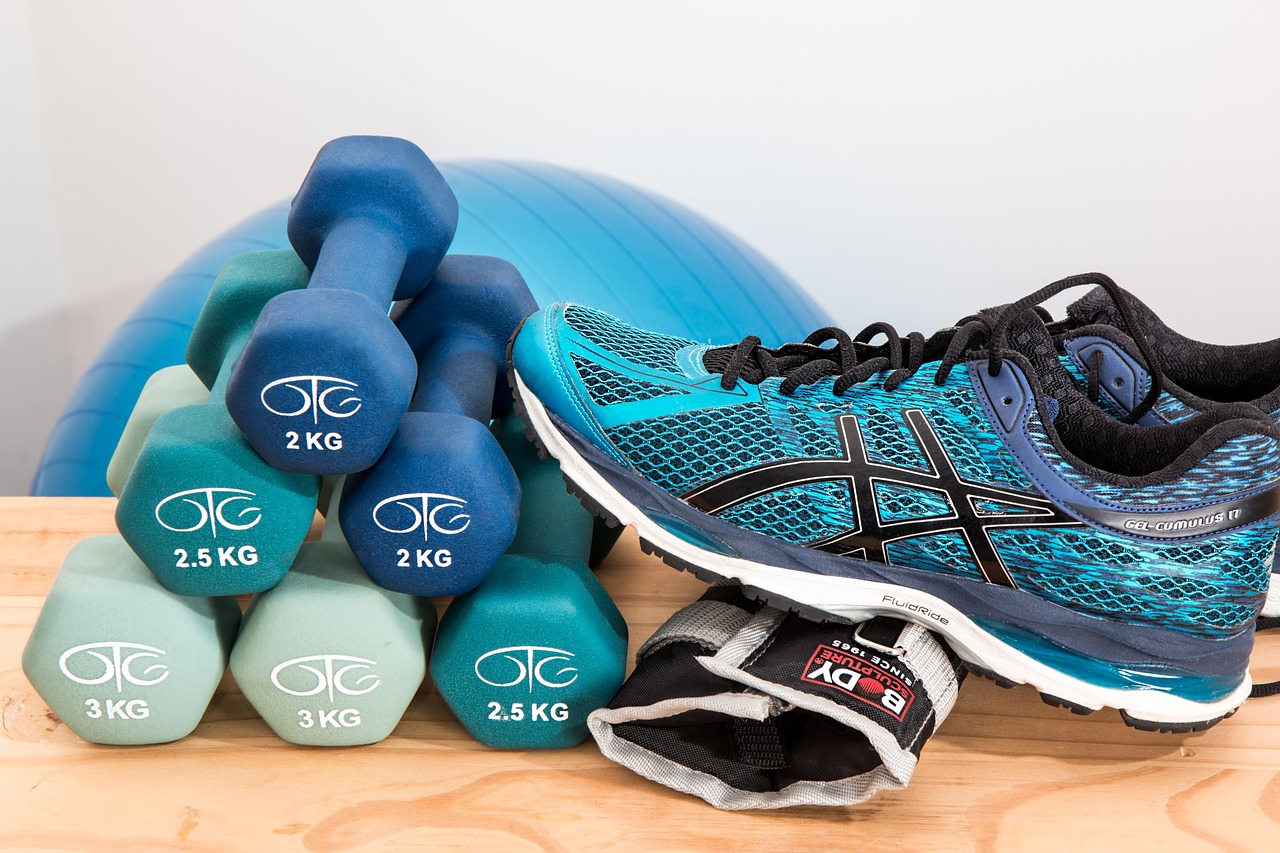
Optional Starter Gear: If you wish to invest, consider:
Yoga Mat: Provides cushioning for floor exercises and comfort.
Comfortable Shoes: While optional for some exercises, good athletic shoes offer support and grip, especially for dynamic movements.
Water Bottle: Essential for staying hydrated throughout your workout.
Timer/Stopwatch: Most smartphones have one, crucial for tracking intervals or rest times.
Resistance Bands: A low-cost, versatile option for adding resistance as you progress, without taking up much space.
Setting Realistic Goals and a Schedule
Effective goal setting and scheduling are crucial for consistency and long-term success.
SMART Goals: Make your goals Specific, Measurable, Achievable, Relevant, and Time-bound. Instead of “get fit,” try “complete three 30-minute full-body workouts per week for the next month.”
Consistency Over Intensity: Aim for consistency first. Three 30-minute sessions a week are far better than one grueling 90-minute session followed by a week of rest.
Schedule It In: Treat your workout



Post Comment