Precision Running: Safeguarding Knees For Lifelong Miles
Running is a fantastic way to boost your fitness, clear your mind, and explore the world around you. However, for many enthusiasts, the joy of hitting the pavement or trail can often be overshadowed by the unwelcome discomfort of knee pain. Whether it’s a dull ache that lingers post-run or a sharp twinge that forces you to stop mid-stride, knee pain is a common complaint among runners, affecting up to 50% of them annually. But don’t let this statistic discourage you! With the right knowledge, preventative strategies, and a proactive approach, you can significantly reduce your risk of developing knee pain and continue to enjoy your runs for years to come. This comprehensive guide will walk you through actionable steps to keep your knees happy and healthy.
Understanding Common Causes of Knee Pain in Runners
Before we dive into prevention, it’s crucial to understand what often causes knee pain when running. Most running-related knee issues are overuse injuries, meaning they develop gradually from repetitive stress.
What is Runner’s Knee (Patellofemoral Pain Syndrome)?
This is arguably the most common culprit. Runner’s knee manifests as a dull pain around or behind the kneecap (patella), often worsening when going up or down stairs, sitting for long periods, or after a run. It’s typically caused by irritation of the cartilage beneath your kneecap, often due to poor tracking of the kneecap in its groove, which can be influenced by muscle imbalances, weak hips, or improper running form.
IT Band Syndrome (ITBS)
The iliotibial (IT) band is a thick band of connective tissue that runs along the outside of your thigh from your hip to just below your knee. ITBS occurs when this band becomes tight or inflamed, causing sharp pain on the outside of the knee, especially during or after a run. Factors like weak hip abductors, overpronation, or a sudden increase in mileage can contribute to ITBS.
Other Contributing Factors
While runner’s knee and ITBS are prevalent, other issues like patellar tendinopathy (jumper’s knee), meniscal tears, or even osteoarthritis can cause knee pain. Often, the underlying causes are similar:
Weakness or imbalances: Particularly in the glutes, hips, and core.
Poor biomechanics: Inefficient running form or foot strike.
Overuse: Rapid increases in mileage, intensity, or frequency without adequate recovery.
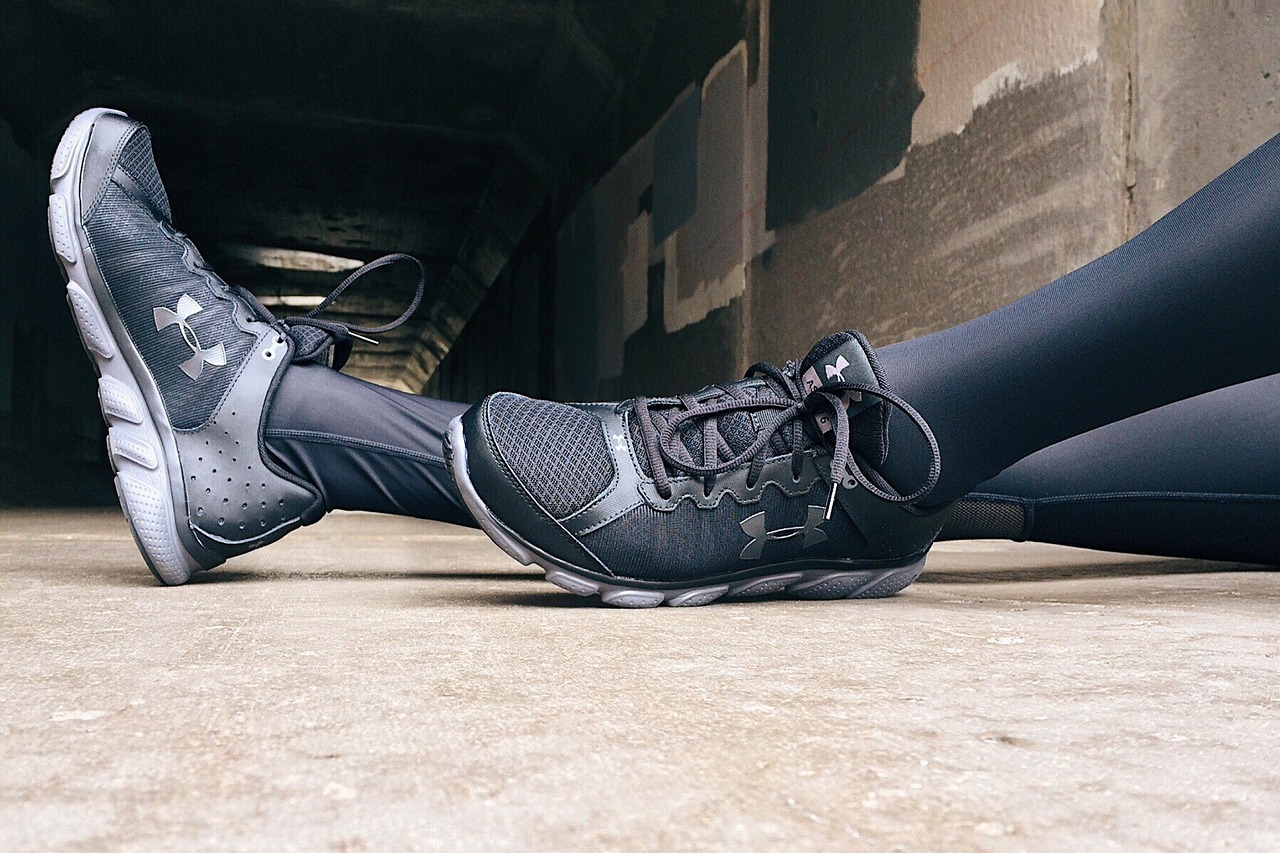
Improper footwear: Shoes that don’t suit your foot type or are worn out.
Actionable Takeaway: Pay attention to where and when your knee pain occurs. This self-awareness can provide valuable clues for targeted prevention and treatment.
Optimizing Your Running Form and Biomechanics
Your running form plays a significant role in how impact forces are distributed throughout your body, especially your knees. Small adjustments can lead to big improvements in preventing knee pain when running.
Cadence: The Magic Number
Cadence


Post Comment