Intentional Staples: Building A Nutrient-Rich, Effortless Grocery List
Tired of wandering aimlessly through grocery aisles, only to arrive home with a cart full of impulse buys and a vague plan for healthy meals? Crafting a simple healthy grocery list is the secret weapon for anyone looking to eat better, save money, and reduce food waste. It transforms the daunting task of grocery shopping into an efficient, enjoyable experience, ensuring your fridge and pantry are stocked with nutrient-dense foods that support your wellness goals. Let’s unlock the power of a well-planned list and simplify your journey to a healthier plate.
The Power of a Simple Healthy Grocery List
A well-structured grocery list is more than just a piece of paper; it’s a strategic tool for achieving your health and financial objectives. By planning ahead, you take control of your diet, making conscious choices that align with your lifestyle without succumbing to last-minute unhealthy temptations.
Why Planning Your Groceries Matters
Boosts Nutritional Intake: Ensures you consistently buy nutrient-rich foods, making healthy eating a default, not an effort.
Saves Time & Reduces Stress: Eliminates indecision at the store and during meal prep, streamlining your weekly routine.
Cuts Down on Food Waste: You buy only what you need, reducing spoilage and the environmental impact of discarded food.
Sticks to Your Budget: Impulse purchases are drastically reduced, keeping your spending in check. Studies show that shoppers with a list spend up to 20% less.
Supports Meal Prep: A planned list is the foundation for successful meal prepping, allowing you to cook once and eat healthy all week.
Actionable Takeaway
Before you even think about the store, take 15-30 minutes to plan your meals for the week. This foundational step will dictate exactly what goes on your simple healthy grocery list, ensuring every item serves a purpose.
Building Your Healthy Foundation: Pantry Essentials
Your pantry is the backbone of healthy cooking. Stocking it with versatile, long-lasting staples means you’re always just a few fresh ingredients away from a wholesome meal, even on busy weeknights. These items are often budget-friendly and can be bought in larger quantities.
Grains & Legumes
These provide complex carbohydrates for sustained energy, fiber for digestive health, and plant-based protein.
Brown Rice & Quinoa: Excellent whole-grain bases for bowls, stir-fries, and side dishes.
Whole Wheat Pasta/Lentil Pasta: A healthier alternative to refined pasta, offering more fiber and nutrients.
Oats (Rolled or Steel-Cut): Perfect for breakfast, providing soluble fiber that helps lower cholesterol.
Canned Beans (Black, Chickpea, Kidney): Quick, affordable sources of protein and fiber. Rinse thoroughly before use.
Lentils (Dried or Canned): Versatile for soups, stews, and salads.
Healthy Oils & Vinegars
Essential for cooking, dressings, and adding flavor.
Extra Virgin Olive Oil: Ideal for dressings, dips, and low-heat cooking. Rich in monounsaturated fats.
Avocado Oil: High smoke point, suitable for higher-heat cooking like roasting and sautéing.
Apple Cider Vinegar/Balsamic Vinegar: Great for dressings, marinades, and adding tang to dishes.
Spices, Herbs & Seasonings
The flavor powerhouses that transform simple ingredients into delicious meals.
Salt & Black Pepper: Basic but crucial.
Garlic Powder & Onion Powder: Easy ways to add foundational flavor.
Cumin, Paprika, Turmeric, Italian Seasoning: Versatile spices for a variety of cuisines.
Dried Herbs (Oregano, Basil, Thyme): Keep a selection for quick flavor boosts.
Other Staples
Canned Tomatoes (Diced, Crushed, Paste): Basis for sauces, soups, and stews.
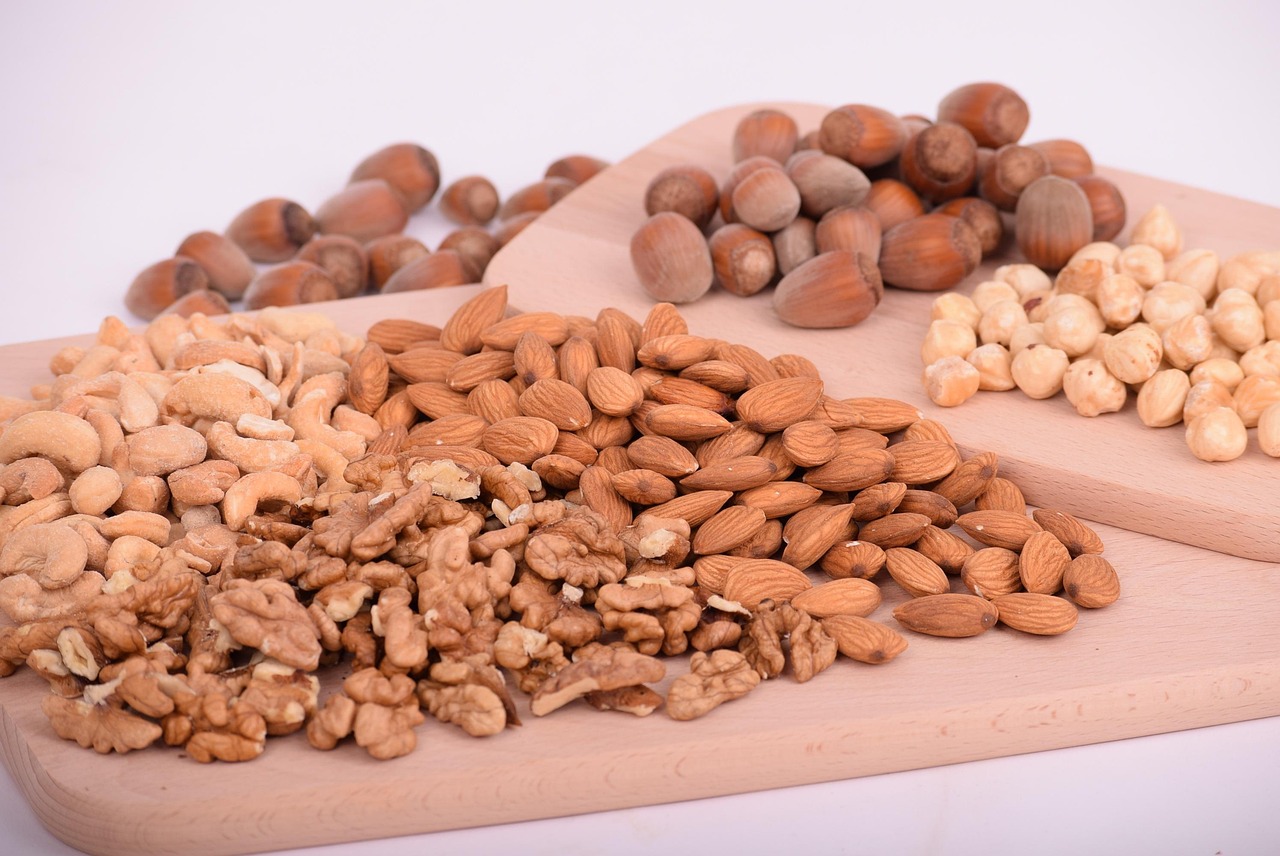
Nut Butters (Peanut, Almond): Excellent source of healthy fats and protein for snacks or breakfast. Opt for varieties with minimal added sugar.
Seeds (Chia, Flax, Hemp): Rich in omega-3s, fiber, and protein. Add to smoothies, oatmeal, or yogurt.
Broth (Vegetable, Chicken): Low-sodium options are great for soups, stews, and cooking grains.
Actionable Takeaway
Once a month, do a quick pantry inventory. Note what you have, what’s running low, and any items nearing expiration. This helps prevent overbuying and ensures your pantry is always ready for healthy meal prep.
Fresh & Vibrant: Produce Picks
The produce section is where your simple healthy grocery list truly shines, bringing color, vitamins, and antioxidants to your plate. Aim for a variety of fruits and vegetables to ensure a broad spectrum of nutrients.
Leafy Greens & Cruciferous Vegetables
These are nutrient powerhouses, low in calories and high in fiber, vitamins, and minerals.
Spinach & Kale: Versatile for salads, smoothies, stir-fries, and eggs.
Broccoli & Cauliflower: Excellent roasted, steamed, or added to casseroles. Rich in vitamins C and K.
Brussels Sprouts: Delicious roasted with a little olive oil and seasoning.
Root Vegetables & Alliums
Staples that offer longer shelf life and hearty flavors.
Sweet Potatoes: A complex carbohydrate source, rich in Vitamin A. Great baked, roasted, or mashed.
Onions & Garlic: Essential flavor bases for almost any savory dish.
Carrots: Versatile for snacking, salads, stir-fries, and soups.
Fruits
Nature’s candy, packed with vitamins, fiber, and natural sugars.
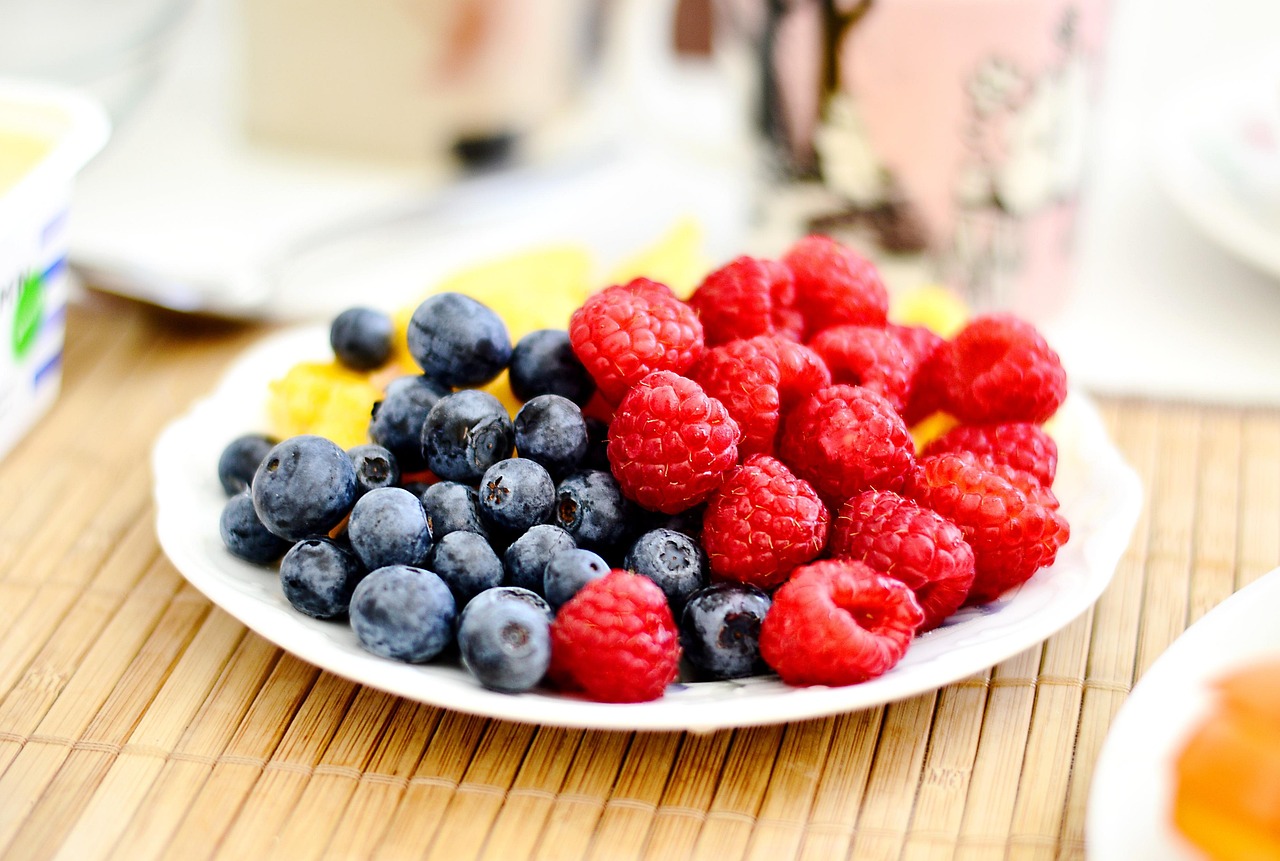
Berries (Blueberries, Strawberries, Raspberries): High in antioxidants. Great for snacks, oatmeal, or smoothies. Buy fresh or frozen.
Apples & Bananas: Convenient, portable snacks. Bananas are excellent for smoothies.
Oranges/Grapefruit: Good source of Vitamin


Post Comment