Cellular Fuel: Precision Pre-Workout Snacks For Metabolic Advantage
Fueling your body effectively before a workout isn’t just about avoiding hunger; it’s about optimizing your performance, boosting energy levels, and accelerating recovery. The right pre-workout snack can be the secret weapon in your fitness arsenal, providing the necessary energy to push harder, lift heavier, and sustain your efforts longer. Forget the myth of working out on an empty stomach – a strategic snack can make a profound difference, transforming a mediocre session into a powerhouse performance. Let’s delve into the science and practical ideas behind smart pre-workout nutrition to help you unlock your full potential.
Why Your Pre-Workout Snack Matters: Fueling Peak Performance
The food you consume before exercise provides the essential building blocks and energy sources your body needs to perform at its best. Think of it as premium fuel for a high-performance engine; without it, efficiency drops, and potential damage can occur.
The Science of Pre-Workout Nutrition
Carbohydrates for Energy: Carbs are your body’s primary and most efficient source of energy. They’re broken down into glucose, which is stored as glycogen in your muscles and liver. During exercise, your body taps into these glycogen stores for fuel, particularly for high-intensity activities. A pre-workout snack rich in carbohydrates ensures these stores are topped up, preventing premature fatigue.
Protein for Muscle Protection: While not a primary energy source during exercise, a small amount of protein pre-workout can be highly beneficial. It helps to reduce muscle protein breakdown during intense training and initiates muscle repair and growth processes even before your workout is complete. This is crucial for muscle preservation and recovery.
Fats (Minimal) for Sustained Energy: Healthy fats provide a more sustained, slower-burning energy source. However, they take longer to digest. For most pre-workout snacks, especially those consumed closer to your session, fats should be kept to a minimum to avoid digestive discomfort. They are more suitable for meals consumed several hours before exercise.
Benefits of a Strategic Pre-Workout Snack
Improved Endurance: Adequate carbohydrate intake ensures you have the fuel to maintain intensity and duration, delaying the onset of fatigue.
Enhanced Strength and Power: Glucose from carbs powers muscle contractions, allowing for more powerful lifts and explosive movements.
Reduced Fatigue: By providing a steady energy supply, a good pre-workout snack prevents energy crashes and helps you stay focused and energized throughout your session.
Faster Recovery: Protein consumed before exercise can kickstart the muscle repair process, potentially leading to quicker recovery post-workout.
Prevent Muscle Catabolism: When energy stores are depleted, your body might start breaking down muscle tissue for fuel. Protein in your pre-workout snack helps prevent this catabolic state.
Timing is Everything: When to Fuel Up
The ideal timing for your pre-workout snack depends on its composition and your individual digestive speed. Getting the timing right ensures you absorb nutrients without feeling heavy or sluggish.
The 30-60 Minute Window
This is the sweet spot for a quick energy boost right before your workout. The focus here should be on easily digestible carbohydrates with a minimal amount of protein and very low fat and fiber. This helps avoid digestive distress while providing readily available glucose.
Goal: Rapid energy delivery.
Examples:
A medium banana or an apple
A handful of dried fruit (e.g., dates, raisins)
2-3 rice cakes with a thin spread of honey or jam
A small fruit smoothie (without heavy protein or fat additions)
The 1-2 Hour Window
If you have a bit more time, you can opt for a slightly more substantial snack that includes complex carbohydrates and a moderate amount of protein. This allows for better digestion and a more sustained release of energy.
Goal: Sustained energy and muscle support.
Examples:
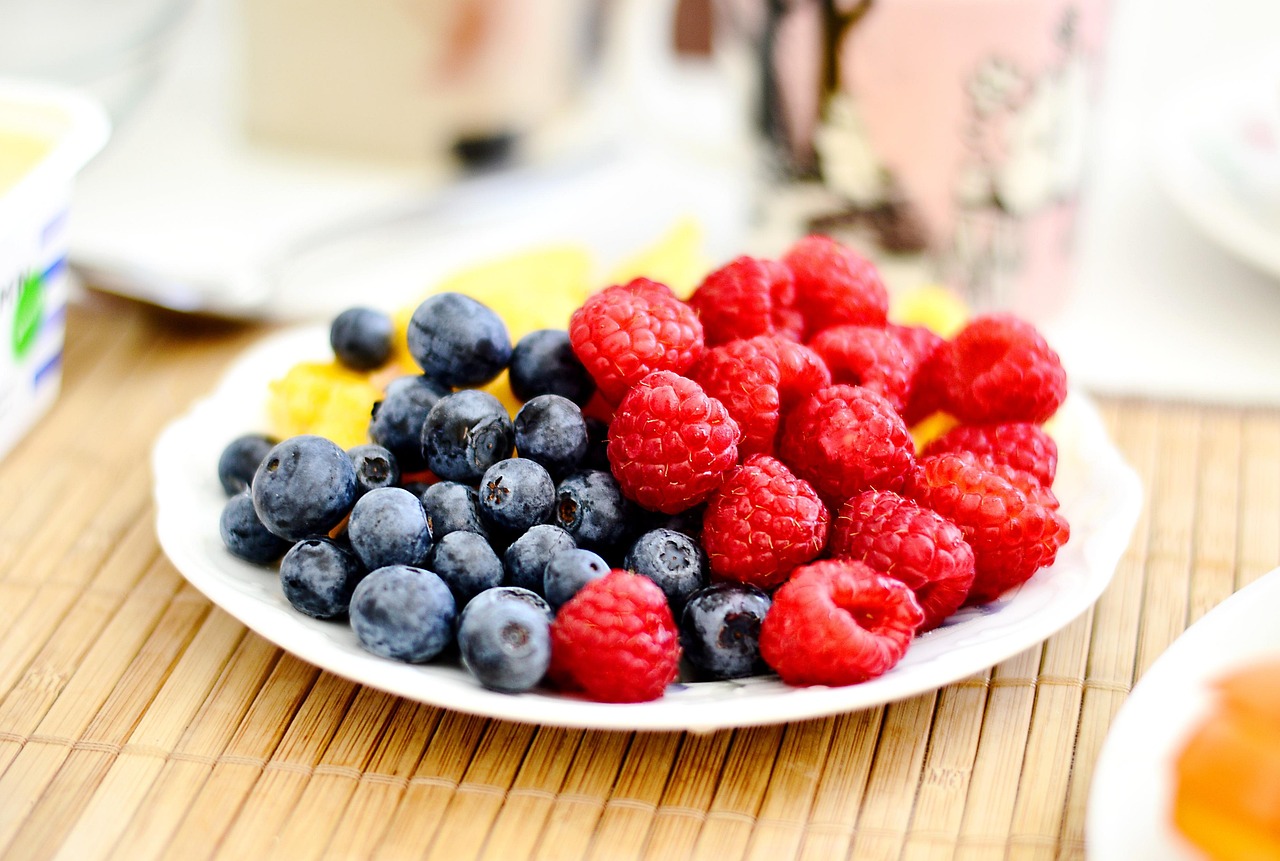
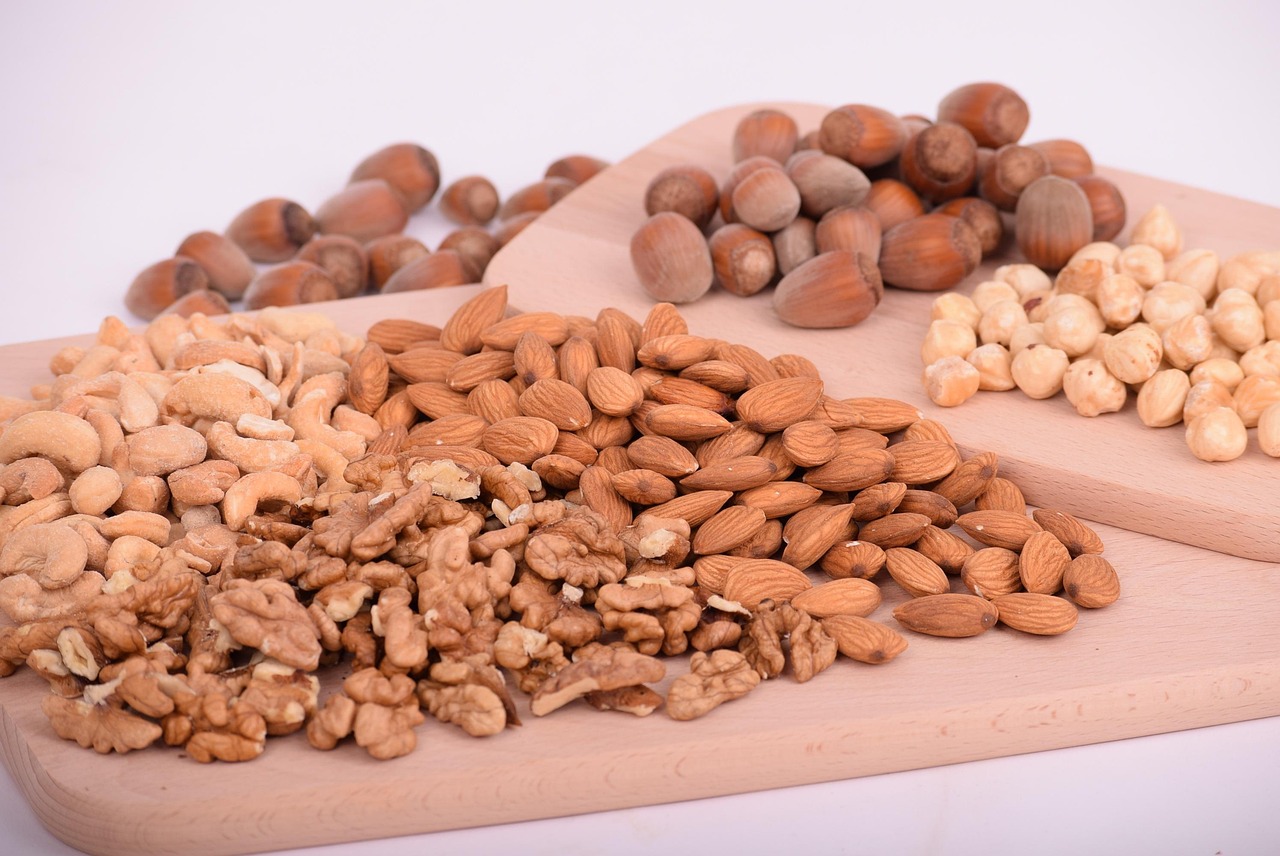
Small bowl of oatmeal with a few berries and a sprinkle of nuts (small amount of fat)
Greek yogurt with a piece of fruit
Whole-grain toast with a thin layer of avocado (small amount of healthy fat) and an egg white
A small protein shake with water or almond milk
The 2-3+ Hour Window (Pre-Workout Meal)
For those who train later in the day after a main meal, this window allows for a balanced, full meal. This should include complex carbohydrates, lean protein, healthy fats,


Post Comment