Effortless Tracking: Decoding Your Weight Loss Trajectory
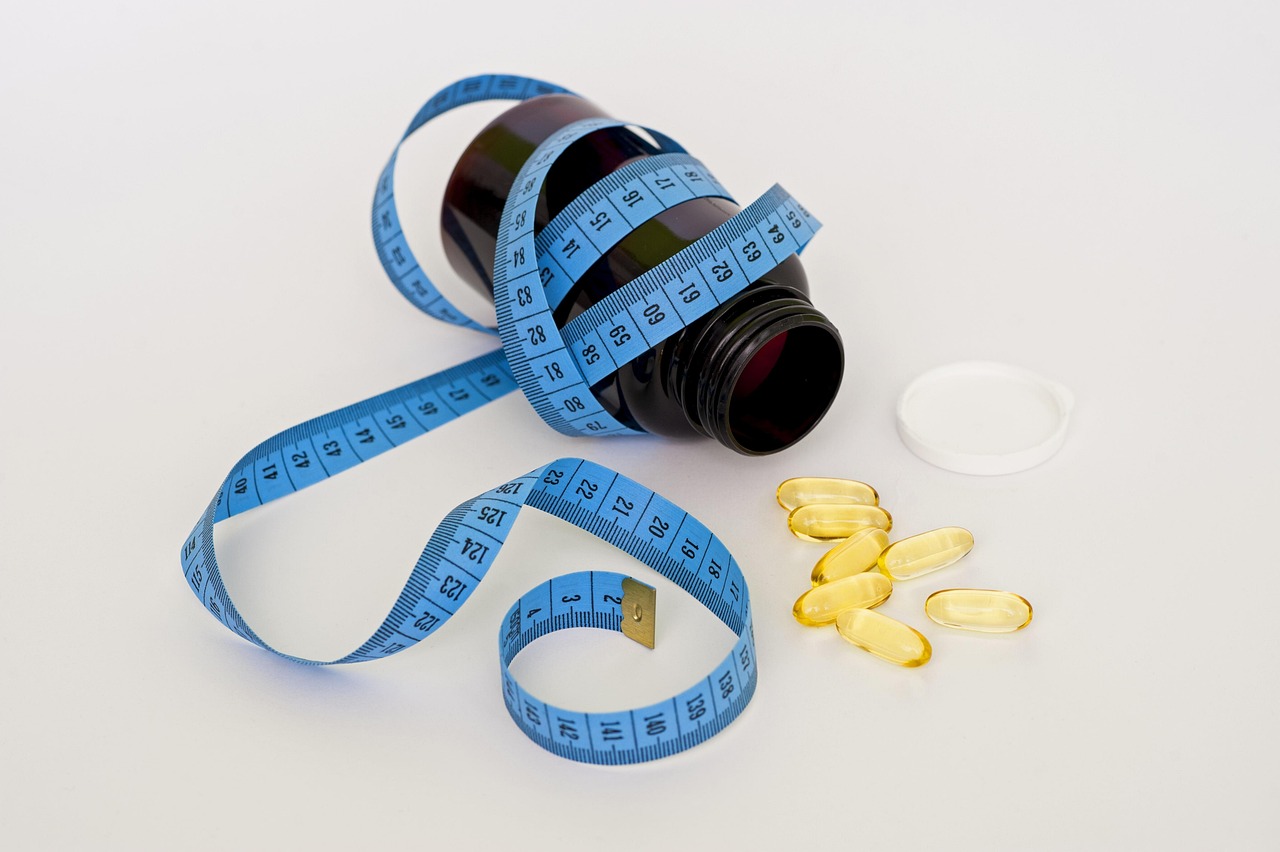
Embarking on a weight loss journey can feel overwhelming, but imagine having a clear roadmap that shows you exactly how far you’ve come and helps you navigate the path ahead. That’s the power of simple progress tracking. It’s not about obsessing over numbers, but rather about gaining valuable insights, staying motivated, and making informed decisions that lead to sustainable results. Forget complicated spreadsheets or daily weigh-ins that zap your morale; this guide will show you how to implement straightforward, effective tracking methods that empower your journey without adding unnecessary stress.
Why Track Your Weight Loss Progress? The Power of Awareness
Tracking your weight loss journey isn’t just about recording data; it’s about building awareness, fostering accountability, and celebrating the incremental changes that lead to significant transformation. Without tracking, it’s easy to feel lost or discouraged, making it harder to stick to your goals.
Motivation & Accountability
When you consistently track your progress, you create a tangible record of your efforts. This visible evidence can be a powerful motivator, especially on days when you feel like giving up.
Boosts morale: Seeing even small improvements can inspire you to continue.
Creates self-accountability: Knowing you’ll be logging your actions encourages healthier choices.
Reinforces positive habits: Tracking makes you more mindful of your daily diet and activity.
Example: A study published in the Journal of the American Medical Association found that people who regularly tracked their food intake lost twice as much weight as those who didn’t.
Identifying Patterns & Adjusting Strategy
Tracking provides crucial data that helps you understand what works for your body and what doesn’t. This insight is invaluable for course correction.
Reveals trends: Notice if certain foods or activities correlate with progress or plateaus.
Highlights areas for improvement: Pinpoint habits that might be hindering your goals.
Enables informed decisions: Adjust your diet, exercise, or sleep based on real data, not guesswork.
Example: You might notice your weight loss stalls when you don’t hit your daily protein target, prompting you to adjust your meal planning.
Celebrating Milestones
Weight loss is a marathon, not a sprint. Tracking allows you to acknowledge and celebrate small victories along the way, keeping you engaged and preventing burnout.
Focuses on progress, not perfection: Every step forward, no matter how small, is worth recognizing.
Builds confidence: Each milestone achieved reinforces your belief in your ability to succeed.
Provides positive reinforcement: Celebrations make the journey more enjoyable and sustainable.
Actionable Takeaway: Start a simple tracking method today. Even just jotting down your starting weight and one non-scale goal can be the beginning of profound change.
Beyond the Scale: Holistic Tracking Methods
While the scale provides a number, true weight loss progress encompasses much more than just pounds. Incorporating diverse tracking methods gives you a comprehensive and often more encouraging view of your transformation.
Body Measurements: A True Reflection
The scale can fluctuate daily due to water retention, muscle gain, or even digestion. Body measurements offer a more stable and accurate reflection of fat loss and body composition changes.
Key areas to measure: Waist, hips, chest, thighs, and arms.
How to measure: Use a flexible tape measure, ensure it’s snug but not tight, and measure in the same spots each time (e.g., around the belly button for the waist).
Frequency: Monthly or bi-monthly is sufficient to see trends without obsessing.
Practical Example: You might find your weight hasn’t changed much, but your waist circumference has shrunk by an inch, indicating significant fat loss.
Progress Photos: Visualizing Change
A picture is worth a thousand words, especially when it comes to body transformation. Photos provide undeniable visual proof of your hard work.
Consistency is key: Take photos in the same lighting, same time of day, same clothing (e.g., swimwear or fitted activewear), and same poses (front, side, back).
Frequency: Monthly or every 6-8 weeks is usually enough to see noticeable differences.
Privacy: Keep them private or share them only with trusted individuals for accountability.
Practical Example: Looking back at your “before” photo after three months can be incredibly motivating, revealing changes you might not notice day-to-day in the mirror.
Clothing Fit: The Everyday Indicator
One of the most satisfying indicators of progress is how your clothes fit. This “non-numerical” metric can be a huge confidence booster.
Choose a “goal” outfit: Pick an item of clothing that’s currently too tight and try it on periodically.
Notice subtle changes: Pay attention to how your usual clothes feel – looser, more comfortable, less restrictive.
Practical Example: When you effortlessly button up jeans that felt snug just weeks ago, it’s a powerful validation of your efforts, often more impactful than a number on the scale.
Non-Scale Victories (NSVs): Boosting Morale
NSVs are improvements in your health, fitness, or daily life that aren’t reflected on the scale. They are crucial for maintaining motivation and recognizing the holistic benefits of your efforts.
Examples of NSVs:
* More energy throughout the



Post Comment