Architecting Your Plate: Foundational Principles For Healthy Eating

Embarking on a journey towards healthy eating can feel daunting, but it’s one of the most impactful decisions you can make for your overall well-being. Far from restrictive diets or fleeting fads, healthy eating is about cultivating sustainable habits that nourish your body, boost your energy, sharpen your mind, and even improve your mood. It’s a powerful investment in your future, paving the way for better health outcomes, increased vitality, and a more fulfilling life. This guide will break down the process into manageable, actionable steps, showing you how to start healthy eating in a way that’s enjoyable, effective, and lasting.
Understanding the Fundamentals of Nutritious Eating
Before you can build a sturdy house, you need a strong foundation. The same applies to healthy eating. Understanding the core principles will empower you to make informed food choices that truly benefit your body.
Prioritize Whole, Unprocessed Foods
The cornerstone of any healthy diet is focusing on whole, unprocessed foods. These are foods that are as close to their natural state as possible, meaning they haven’t been stripped of their nutrients or loaded with artificial additives.
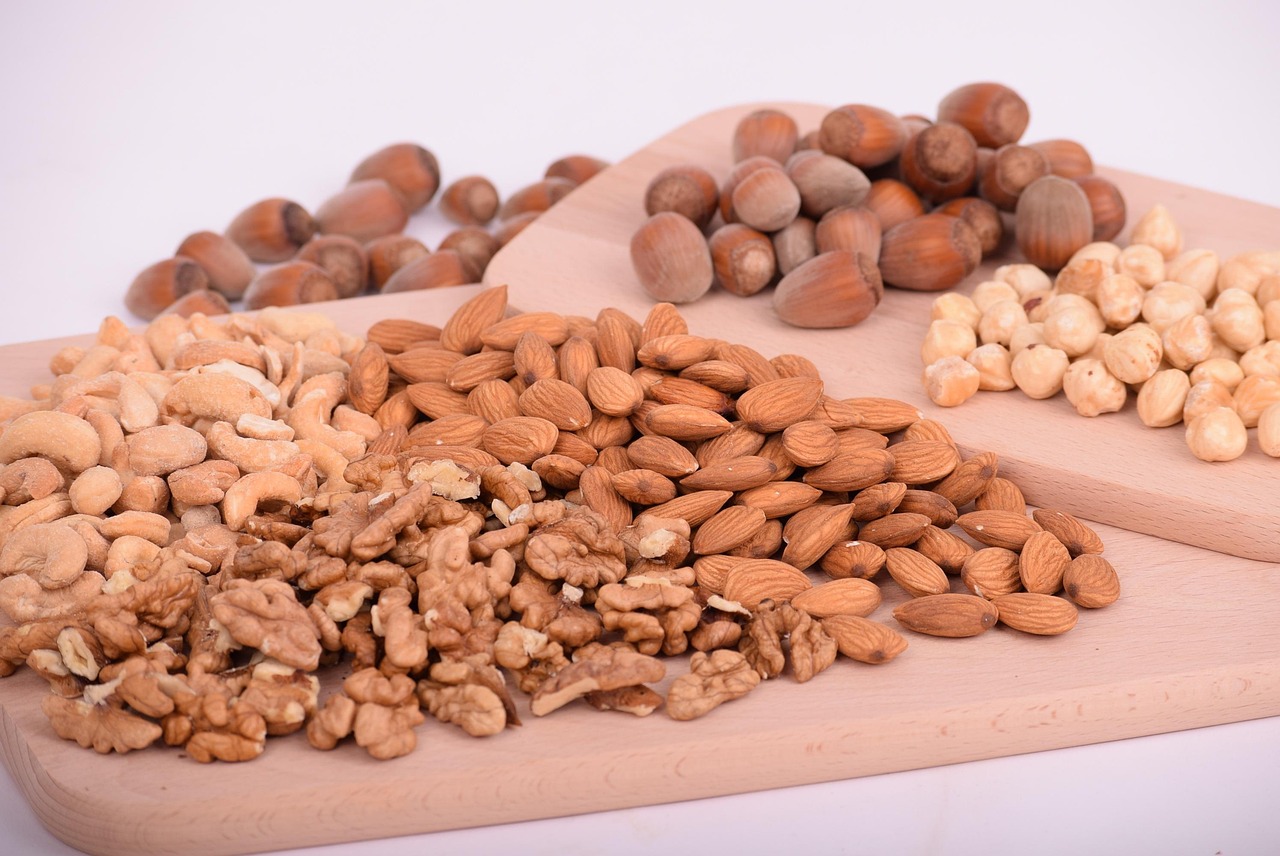
What they are: Fruits, vegetables, whole grains (oats, brown rice, quinoa), lean proteins (chicken, fish, beans, lentils, tofu), nuts, seeds, and healthy fats (avocado, olive oil).
Why they matter: They are rich in vitamins, minerals, fiber, and antioxidants, which are essential for every bodily function, from digestion to immunity. Studies consistently show that diets rich in whole foods are linked to lower risks of chronic diseases like heart disease, type 2 diabetes, and certain cancers.
Practical tip: Aim to fill at least half of your plate with vegetables and fruits at every meal. Swap white bread for whole-wheat, and choose brown rice over white.
Balance Your Macronutrients
Your body needs three main types of nutrients – macronutrients – in adequate proportions for optimal functioning: carbohydrates, proteins, and fats. A balanced diet ensures you get enough of each.
Carbohydrates: Your body’s primary energy source. Choose complex carbs from whole grains, fruits, and vegetables for sustained energy and fiber.
Example: Instead of sugary cereals, opt for oatmeal with berries.
Proteins: Essential for building and repairing tissues, making enzymes and hormones. Include lean protein sources at every meal to promote satiety and muscle health.
Example: Add grilled chicken to your salad, or a handful of almonds as a snack.
Healthy Fats: Crucial for hormone production, nutrient absorption, and brain health. Focus on unsaturated fats.
Example: Incorporate avocado into your breakfast, or use olive oil for cooking.
Minimize Processed Foods and Added Sugars
Processed foods often contain excessive amounts of unhealthy fats, sodium, and added sugars, while being low in fiber and essential nutrients. Added sugars, in particular, contribute to inflammation, weight gain, and an increased risk of chronic diseases.
Identify culprits: Common processed foods include sugary drinks, packaged snacks, fast food, and many ready-to-eat meals.
Read labels: Look for “added sugars” or ingredients like high-fructose corn syrup, dextrose, or maltose. Aim for products with minimal ingredients you recognize.
Actionable takeaway: Gradually reduce your intake. Start by cutting out sugary sodas and replacing them with water. Cook more meals at home where you control the ingredients.
Setting Realistic Goals and Planning for Success
Transforming your eating habits doesn’t happen overnight. It requires thoughtful planning and setting achievable goals to ensure long-term success.
Start Small and Build Sustainable Habits
Overhauling your entire diet at once can be overwhelming and often leads to burnout. Instead, focus on small, incremental changes that you can realistically maintain.
One change at a time: Pick one habit to focus on each week or month.
Example: “This week, I will drink 8 glasses of water daily.” Or, “I will add a serving of vegetables to my lunch every day.”
Be patient: It takes time for new habits to stick. Don’t get discouraged by occasional slip-ups; simply get back on track.
Actionable takeaway: Identify 1-2 small, specific changes you can commit to starting this week. Write them down and track your progress.
Master Meal Planning and Preparation
One of the biggest hurdles to healthy eating is lack of time and convenience. Meal planning and preparation (meal prep) can be game-changers, ensuring you always have nutritious options readily available.
Plan your meals: Dedicate time once a week (e.g., Sunday afternoon) to plan out your breakfasts, lunches, dinners, and snacks for the upcoming week.
Batch cook: Prepare larger quantities of healthy staples like cooked grains (quinoa, brown rice), roasted vegetables, and lean proteins (chicken breast, hard-boiled eggs) that can be mixed and matched throughout the week.
Pack lunches: Preparing your lunch ahead of time prevents impulsive, unhealthy takeout decisions.
Practical example: Plan to make a large batch of lentil soup on Sunday that can serve as lunch for a few days, or chop all your salad ingredients so they’re ready to assemble quickly.
Create a Healthy Grocery Shopping List
Your healthy eating journey truly begins at the grocery store. A well-planned shopping list helps you avoid impulse buys and ensures your pantry is stocked with nourishing ingredients.
Shop the perimeter: The outer aisles of most grocery stores contain fresh produce, lean meats, and dairy – typically the least processed items.
Stick to your list: Avoid wandering into aisles filled with tempting processed snacks.
Read nutrition labels: Compare products, looking for lower sugar, sodium, and unhealthy fat content, and higher fiber.
Actionable takeaway: Before your next grocery trip, create a detailed list based on your meal plan, focusing on whole foods.
Mastering Mindful Eating and Portion Control
It’s not just what you eat, but how you eat that significantly impacts your health and relationship with food. Mindful eating and



Post Comment