Beyond Greens: Effortless, Nutrient-Dense Meal Salads
Tired of bland meals and lengthy cooking sessions? Imagine a vibrant, satisfying dish that comes together in minutes, bursting with fresh flavors and essential nutrients. That’s the magic of easy healthy salad recipes! Far from being just a side dish, a well-crafted salad can be a complete, balanced, and incredibly delicious meal that supports your wellness goals without demanding hours in the kitchen. Whether you’re a busy professional, a health-conscious home cook, or simply looking to add more fresh produce to your diet, mastering the art of the easy healthy salad is a game-changer for quick, nutritious eating.
Building Your Perfect Healthy Salad: The Core Components
Crafting a truly satisfying and nutritious salad starts with understanding its fundamental building blocks. Each component plays a vital role in delivering flavor, texture, and essential nutrients, making your healthy salad a complete meal.
Choosing Your Greens Base
The foundation of any great salad is its greens. Don’t just stick to iceberg lettuce; explore a variety for different nutrients and textures.
Dark Leafy Greens: Spinach, kale, arugula, and mixed greens are packed with vitamins A, C, K, and folate. They offer a robust flavor profile and hold up well to dressings.
Crisp Greens: Romaine lettuce, butter lettuce, and red leaf lettuce provide a refreshing crunch and milder flavor, perfect for balancing stronger ingredients.
Herbs: Don’t underestimate the power of fresh parsley, cilantro, dill, or mint to elevate your salad with aromatic bursts of flavor.
Actionable Takeaway: Aim for a mix of dark leafy greens and crisp greens to maximize nutrient intake and textural appeal.
Protein Power-Ups
A salad without protein is just a snack. Adding a quality protein source ensures satiety and provides the necessary building blocks for your body.
Lean Meats: Grilled chicken breast, turkey, or thinly sliced steak are excellent choices. Cook them in advance for quick assembly.
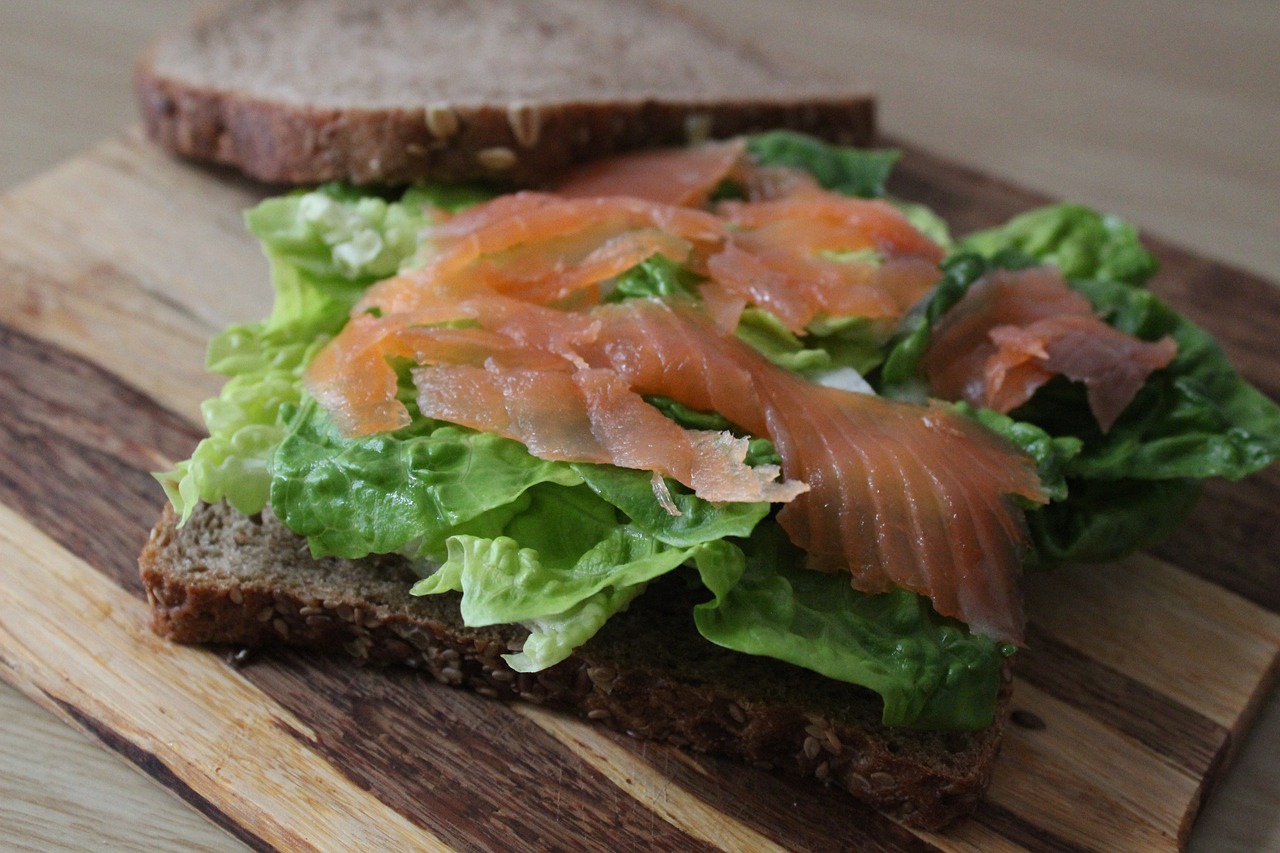
Fish & Seafood: Canned tuna or salmon (packed in water or olive oil), grilled shrimp, or flaked baked cod add omega-3s and lean protein.
Legumes: Chickpeas, black beans, lentils, and edamame are fantastic plant-based protein sources, offering fiber and complex carbohydrates.
Eggs: Hard-boiled eggs are a super convenient and complete protein, perfect for meal prepping.
Dairy/Plant-Based Alternatives: Feta cheese, goat cheese, cottage cheese, or crumbled firm tofu can also boost your protein content.
Actionable Takeaway: Incorporate at least 3-4 ounces of lean protein into your salad to keep you feeling full and energized.
Healthy Fats for Flavor and Absorption
Healthy fats are crucial for nutrient absorption, satiety, and adding richness to your salad.
Avocado: Creamy, delicious, and rich in monounsaturated fats, potassium, and fiber.
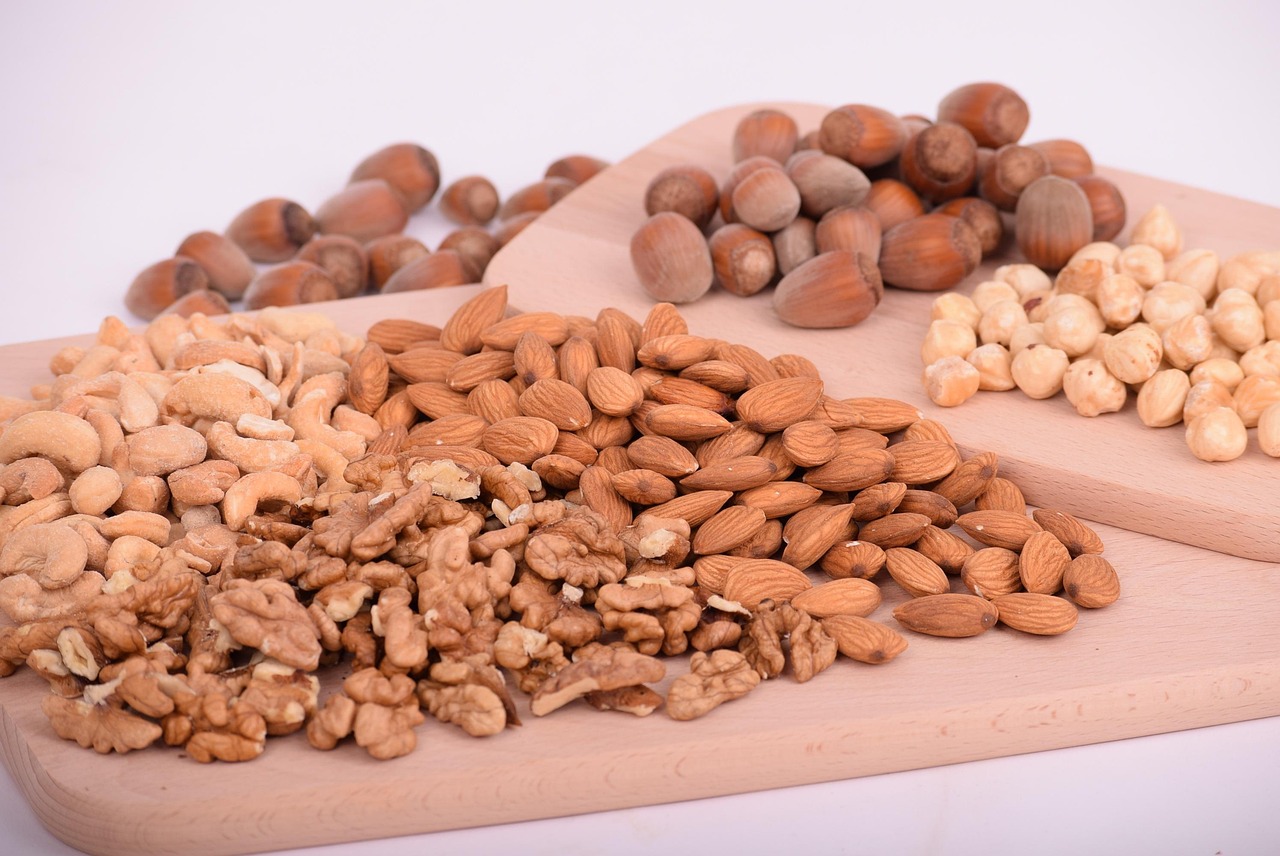
Nuts & Seeds: Almonds, walnuts, pecans, pumpkin seeds, sunflower seeds, and chia seeds provide healthy fats, fiber, and crunch.
Olive Oil: A staple in healthy salad dressings, extra virgin olive oil is rich in antioxidants and monounsaturated fats.
Actionable Takeaway: A quarter to half an avocado or a small handful of nuts/seeds is often enough to add beneficial fats without overdoing calories.
Adding Texture and Crunch
Texture is key to a satisfying salad. Don’t let your salad be a one-note dish!
Crunchy Vegetables: Bell peppers, cucumbers, carrots, radishes, and celery add freshness and a satisfying bite.
Toasted Nuts/Seeds: Lightly toasting nuts or seeds enhances their flavor and crunch.
Croutons (Homemade): Make your own healthier croutons by toasting whole-grain bread cubes with a little olive oil and herbs.
Crispy Chickpeas: Roast chickpeas with spices for a delicious, crunchy topping.
Actionable Takeaway: Include at least two different crunchy elements to keep your palate engaged and prevent “salad fatigue.”
Mastering Homemade Dressings: Easy & Healthy
Store-bought dressings often hide excessive sugar, unhealthy oils, and artificial ingredients. Making your own healthy salad dressing is incredibly simple, takes minutes, and allows you to control the ingredients for maximum flavor and nutrition.
Vinaigrettes 101
The classic vinaigrette is the backbone of many healthy salads. The basic ratio is 3 parts oil to 1 part acid, but you can adjust to your taste.
Basic Lemon Vinaigrette:
3 tbsp extra virgin olive oil
1 tbsp fresh lemon juice
1 tsp Dijon mustard (for emulsification)
Salt and black pepper to taste
Optional: 1 clove minced garlic, a pinch of dried herbs (oregano, basil)
Apple Cider Vinaigrette:
3 tbsp extra virgin olive oil
1 tbsp apple cider vinegar
1 tsp maple syrup or honey (optional, for sweetness)
Salt, pepper, and a pinch of dried thyme
Actionable Takeaway: Whisk ingredients vigorously or shake them in a jar until emulsified. Store in an airtight container in the fridge for up to a week.
Creamy & Healthy Alternatives
Craving a creamy dressing without the guilt? These healthier options deliver.
Greek Yogurt Ranch:
1/2 cup plain Greek yogurt
* 1 tbsp


Post Comment