Nocturnal Nourishment: Optimizing Sleep And Metabolic Rhythm
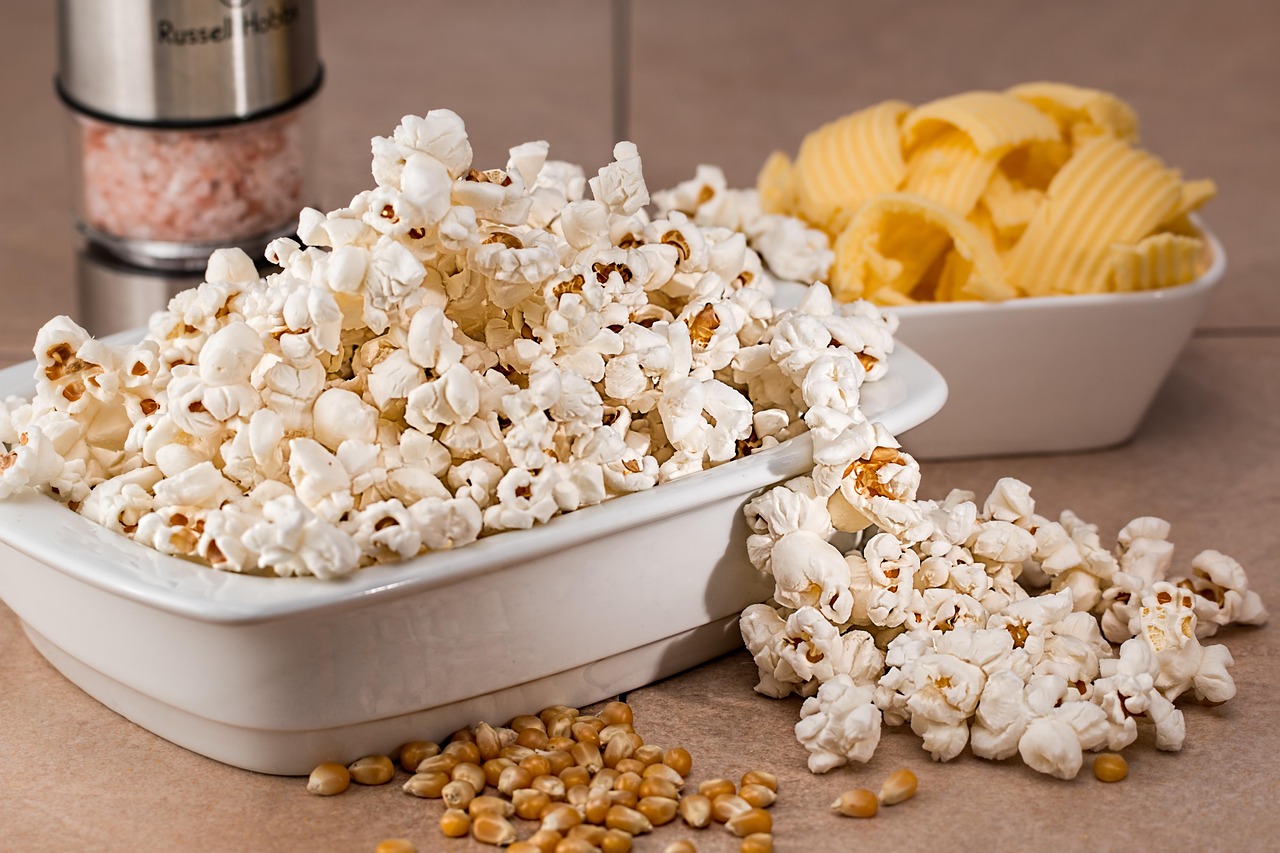
The moon is high, the house is quiet, and then it hits – that familiar rumble in your stomach. Late-night cravings are a universal experience, often leading us to raid the pantry for whatever is quick, easy, and usually, not-so-healthy. While it’s tempting to reach for chips, cookies, or ice cream, making the wrong choices before bed can sabotage your sleep, disrupt digestion, and derail your health goals. But what if late-night snacking could actually be a good thing? The secret lies in choosing smart, nutrient-dense options that satisfy your hunger without compromising your well-being. This guide will help you navigate the world of healthy late-night snacks, ensuring your evening munchies contribute positively to your health, sleep, and overall vitality.
The Science Behind Late-Night Cravings
Understanding why we get hungry late at night is the first step toward making healthier choices. It’s not just about willpower; your body’s internal clock and hormones play a significant role.
Understanding Your Body Clock
Our circadian rhythm, the body’s natural 24-hour cycle, influences everything from sleep-wake patterns to hunger. As evening approaches, some people experience a natural surge in ghrelin, the “hunger hormone,” even if they’ve eaten adequately during the day. This evolutionary mechanism might have once served to store energy for the night, but in our modern world, it often leads to unnecessary calorie intake.
The Impact of Unhealthy Choices
Reaching for sugary, fatty, or highly processed snacks late at night can have several detrimental effects:
Sleep Disruption: High sugar content can cause blood sugar spikes and crashes, disrupting sleep architecture. Heavy, fatty foods take longer to digest, potentially leading to discomfort and heartburn.
Digestive Issues: Your digestive system slows down at night. Overloading it with difficult-to-digest foods can lead to indigestion, bloating, and discomfort.
Weight Gain: Snacks high in empty calories contribute to overall daily calorie intake without providing essential nutrients, often leading to weight gain over time. Studies indicate that eating close to bedtime, especially unhealthy foods, can impact metabolic health.
The Benefits of Smart Snacking
Conversely, choosing the right late-night snack can be beneficial:
Stabilizes Blood Sugar: A small, balanced snack can prevent significant drops in blood sugar overnight, which can sometimes interrupt sleep.
Promotes Better Sleep: Certain foods contain compounds like tryptophan (a precursor to serotonin and melatonin) or magnesium, which are known to aid relaxation and sleep.
Prevents Overeating: A healthy snack can curb intense hunger, preventing you from waking up ravenous and overeating at breakfast.
Provides Essential Nutrients: It’s an opportunity to sneak in more vitamins, minerals, fiber, and protein that you might have missed during the day.
Actionable Takeaway: Listen to your body’s true hunger signals, but always prioritize nutrient-dense options



Post Comment