Intentional Plates: Building Sustainable Nutrition Habits
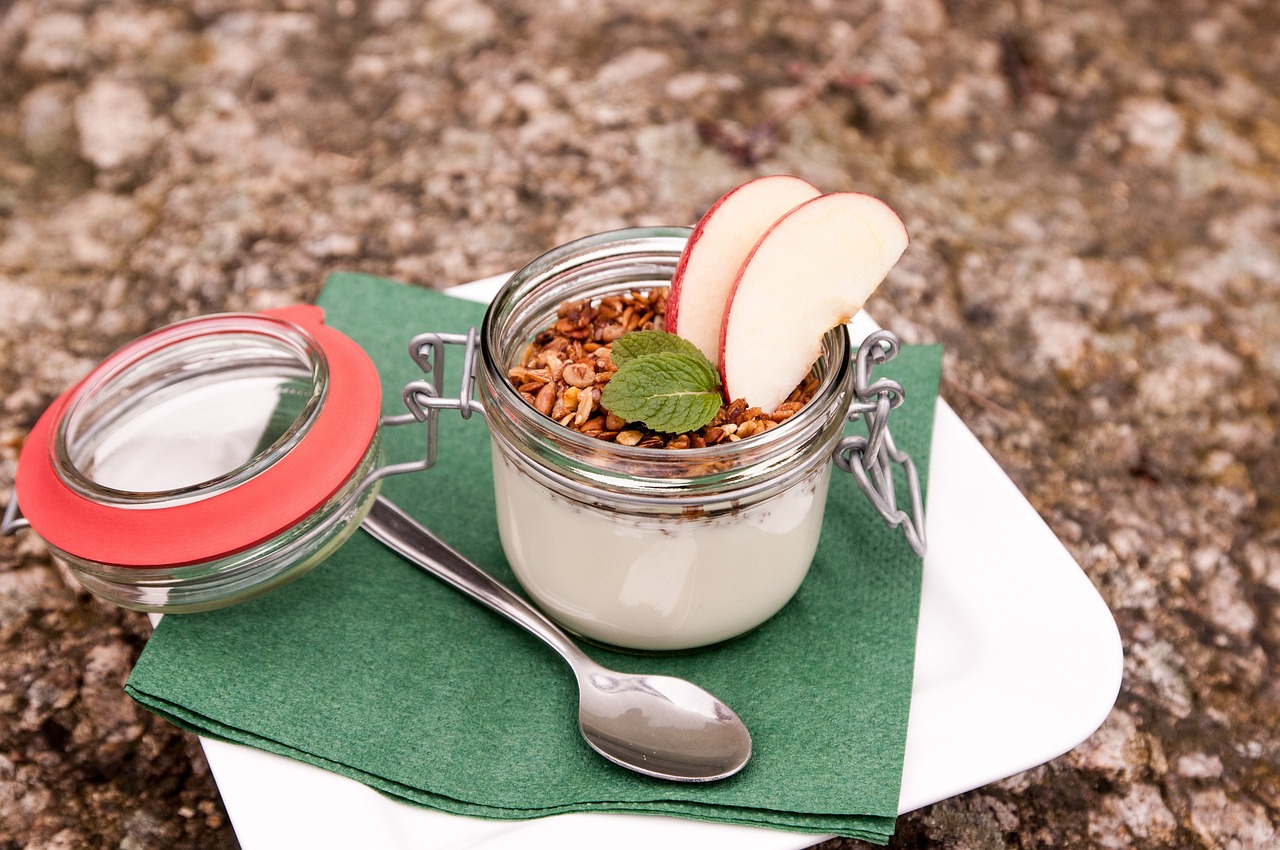
Embarking on a journey towards healthier eating can often feel overwhelming, with countless diets, conflicting advice, and the pressure to make drastic changes overnight. But what if we told you it doesn’t have to be complicated? For beginners, the key to sustainable healthy eating isn’t about perfection; it’s about making small, consistent choices that add up over time. This guide will break down the fundamentals of nourishing your body, offering practical, easy-to-implement tips that will set you on a path to feeling better, having more energy, and building lasting healthy habits. Let’s simplify healthy eating together!
Start Small, Make Gradual Changes
One of the biggest pitfalls when starting a healthy eating journey is trying to overhaul everything at once. This often leads to burnout, frustration, and ultimately, giving up. Sustainable change happens incrementally.
Why Slow and Steady Wins the Race
Avoids Overwhelm: Big changes can feel daunting. Small steps are manageable and build confidence.
Promotes Consistency: It’s easier to stick to a minor adjustment than a complete dietary overhaul.
Allows for Adaptation: Your body and mind have time to adjust to new habits.
Reduces Feelings of Deprivation: You’re not cutting everything out; you’re gradually integrating better choices.
Identify One Simple Change
Instead of aiming for a perfect diet, pick one small, achievable goal to focus on each week or month.
Example 1: If you regularly drink sugary sodas, try replacing just one can a day with water.
Example 2: Commit to adding one extra serving of vegetables to your dinner plate.
Example 3: Swap your white bread for whole wheat bread for sandwiches.
Example 4: If you rarely eat breakfast, start with something simple like a banana and a handful of almonds.
Build on Your Success
Once you’ve successfully integrated one small change into your routine, celebrate that win! Then, pick another small change to work on. This positive reinforcement loop will motivate you to keep going. Remember, consistency over perfection is the goal.
Actionable Takeaway: Choose one small, actionable change you can commit to this week. Don’t underestimate the power of tiny habits!
Embrace Whole, Unprocessed Foods
The foundation of a truly healthy diet lies in prioritizing whole, unprocessed foods. These are foods that are as close to their natural state as possible, packed with essential nutrients, fiber, and without added sugars, unhealthy fats, or artificial ingredients.
What Defines Whole Foods?
Whole foods are typically single-ingredient foods that haven’t been heavily refined or altered.
Fruits and Vegetables: Apples, bananas, berries, spinach, broccoli, carrots.
Whole Grains: Oats, quinoa, brown rice, whole wheat bread/pasta.
Lean Proteins: Chicken breast, fish, eggs, beans, lentils, tofu.
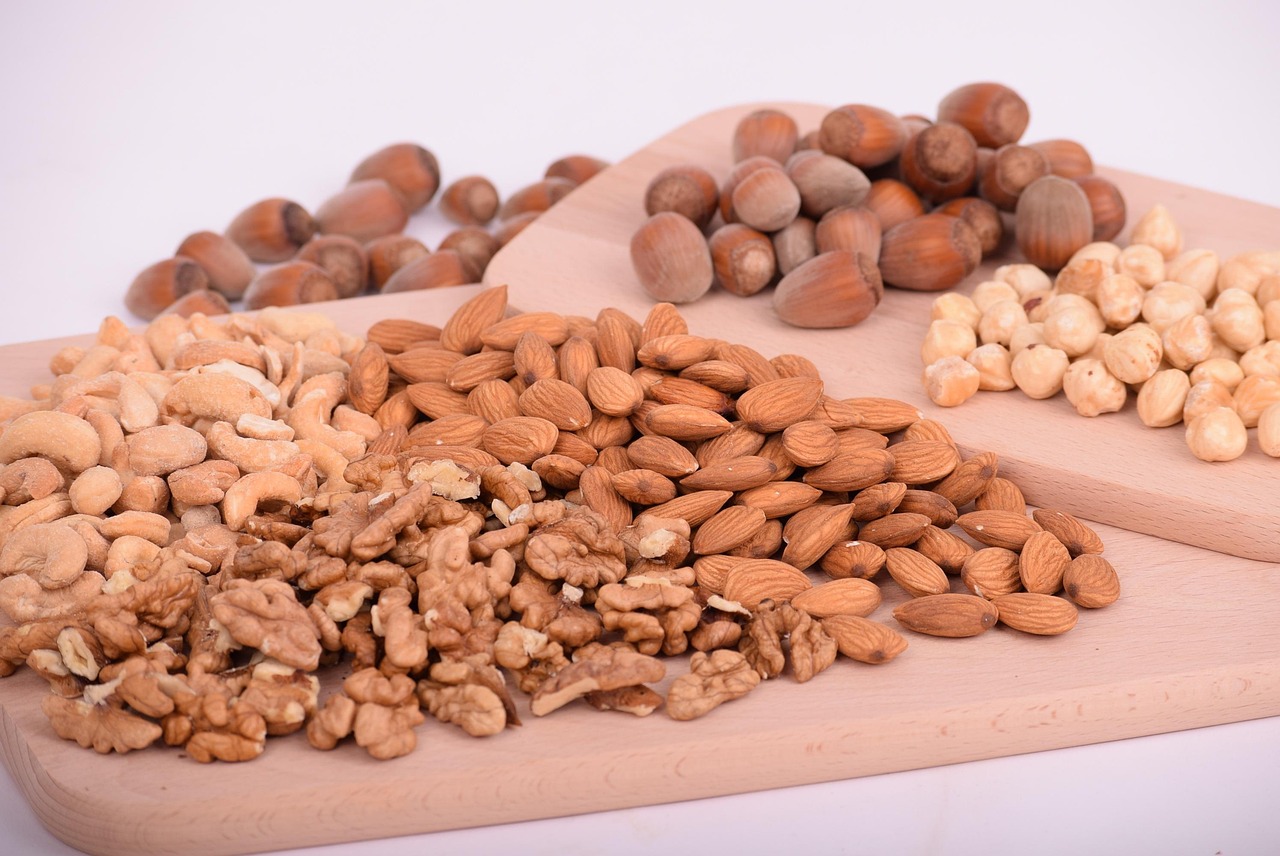
Healthy Fats: Avocados, nuts, seeds, olive oil.
Power Up with Fruits and Vegetables
Fruits and vegetables are nutritional powerhouses, rich in vitamins, minerals, antioxidants, and fiber. They help you feel full, support digestion, and reduce the risk of chronic diseases.
Tip: Aim to “eat the rainbow” to ensure a wide array of nutrients.
Practical Example: Make half your plate fruits and vegetables at every meal. Add berries to your oatmeal,



Post Comment