Kitchen Confidence: Beginners Blueprint For Sustainable Weight Loss
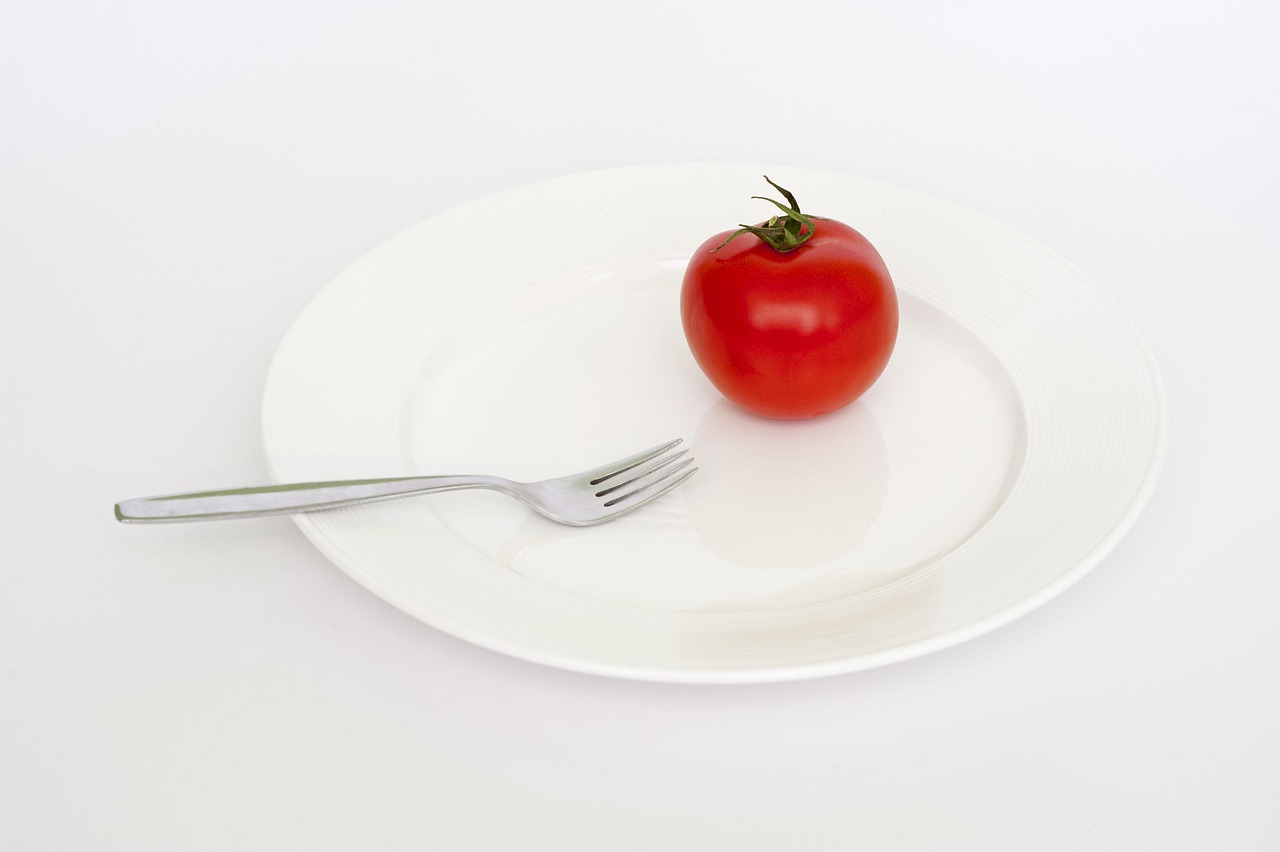
Embarking on a weight loss journey can feel overwhelming, especially when you’re just starting out. The internet is flooded with extreme diets and intense workout routines that often lead to burnout and frustration. But what if achieving a healthier weight didn’t have to be a monumental struggle? The truth is, sustainable weight loss for beginners often comes down to adopting simple, consistent habits that are easy to integrate into your daily life. This guide will cut through the noise, offering practical, beginner-friendly tips designed to help you build a solid foundation for lasting success without feeling deprived or exhausted. Get ready to discover straightforward strategies that make losing weight feel achievable, enjoyable, and most importantly, sustainable.
Nutrition Fundamentals: Building Your Plate for Success
When it comes to easy weight loss tips for beginners, nutrition is often the most impactful starting point. You don’t need to drastically cut out all your favorite foods; instead, focus on making smarter choices that nourish your body and support your goals.
Focus on Whole, Unprocessed Foods
One of the simplest ways to improve your diet is to shift towards whole, unprocessed foods. These are foods that are as close to their natural state as possible, meaning fewer added sugars, unhealthy fats, and artificial ingredients. They are typically richer in nutrients and fiber, which helps you feel fuller for longer.
Benefits: Increased satiety, better nutrient intake, reduced intake of empty calories.
Practical Example: Instead of a sugary breakfast cereal, opt for oatmeal with berries and a sprinkle of nuts. Swap processed snacks like chips for an apple or a handful of almonds. Choose lean proteins like chicken breast, fish, or beans over processed meats.
Actionable Takeaway: Aim to fill at least half of your plate with vegetables at every main meal.
Master Portion Control
Even healthy foods can contribute to weight gain if consumed in excessive quantities. Learning to manage your portion sizes is a crucial skill for beginners. You don’t necessarily need to count every calorie, but becoming aware of how much you’re eating can make a significant difference.
Benefits: Creates a gentle calorie deficit, prevents overeating, encourages mindful consumption.
Practical Example: Use smaller plates to make your meals look more substantial. Learn visual cues for portion sizes: a serving of protein (chicken, fish) is about the size of a deck of cards; a serving of complex carbohydrates (rice, pasta) is about half a cup cooked. For snacks, pre-portion them into small containers to avoid eating directly from a large bag.
Actionable Takeaway: Before reaching for a second helping, pause and assess your hunger level. Are you truly still hungry, or just eating out of habit?
Hydrate for Health
Often overlooked, proper hydration is a powerful, yet easy weight loss tip. Drinking enough water can boost your metabolism, help you feel fuller, and even improve your energy levels. Many times, what we perceive as hunger is actually thirst.
Benefits: Can suppress appetite, aids metabolism, improves energy, supports overall bodily functions.
Practical Example: Start your day with a large glass of water. Keep a water bottle handy throughout the day and sip regularly. Try drinking a glass of water before each meal; this can help you eat less. If plain water feels boring, add slices of lemon, cucumber, or berries for flavor.
Actionable Takeaway: Aim for at least 8 glasses (around 2 liters) of water daily. Set reminders on your phone if needed.
Prioritize Protein and Fiber
Incorporating adequate protein and fiber into your diet is a cornerstone of effective weight loss for beginners. Both nutrients are incredibly satiating, meaning they help you feel full and satisfied, reducing the likelihood of overeating and unhealthy snacking.
Benefits: Increased satiety, muscle preservation (protein), improved digestion (fiber), stabilized blood sugar.
Practical Example: Include a lean protein source (chicken, fish, eggs, tofu, lentils, Greek yogurt) at every meal. Opt for high-fiber foods like whole grains (oats, brown rice, quinoa), fruits (berries, apples), vegetables (broccoli, spinach), and legumes (beans, lentils). A breakfast of Greek yogurt with berries and a sprinkle of chia seeds offers both.
Actionable Takeaway: Make sure each meal contains a significant source of protein and fiber to keep hunger at bay.
Smart Eating Habits: Cultivating Awareness
Beyond what you eat, how you eat plays a crucial role in your weight loss journey. Developing smart eating habits can transform your relationship with food and make healthy choices more intuitive.
Practice Mindful Eating
Mindful eating involves paying full attention to your food – its taste, texture, smell, and how it makes you feel. This practice helps you recognize your body’s hunger and fullness cues, preventing mindless overconsumption.
Benefits: Better recognition of hunger/fullness, enhanced enjoyment of food, reduced overeating.
Practical Example: Before you start eating, take a moment to observe your food. Eat slowly, putting your fork down between bites. Chew thoroughly and savor each mouthful. Avoid distractions like TV or your phone while eating. Ask yourself: “Am I truly hungry, or just bored/stressed?”
Actionable Takeaway: Dedicate at least 20 minutes to each meal, eating slowly and without distractions.
Plan Ahead: Meals and Snacks
Failing to plan is planning to fail, especially when it comes to healthy eating. For beginners, a little meal planning can prevent impulsive, unhealthy food choices when hunger strikes.
Benefits: Reduces


Post Comment