Mitochondrial Drive: Optimizing Workout Energy Through Specific Foods

Fueling your body effectively is the secret weapon for unlocking peak performance and maximizing your results in every workout. Whether you’re hitting the gym for strength training, pounding the pavement for a long run, or flowing through a yoga session, the foods you consume directly impact your energy levels, endurance, and recovery. Forget about hitting a wall or feeling sluggish; with the right nutritional strategy, you can transform your body into an efficient energy machine, ready to tackle any challenge. This comprehensive guide will delve into the best energy-boosting foods, offering practical advice to optimize your diet for superior athletic performance and sustainable energy throughout your fitness journey.
The Foundation of Energy: Understanding Macronutrients for Workouts
To truly boost your workout energy, it’s essential to understand the roles of the three main macronutrients: carbohydrates, protein, and healthy fats. Each plays a distinct yet crucial part in fueling your body and supporting recovery.
Carbohydrates: Your Primary Energy Source
Carbohydrates are the body’s preferred and most efficient source of energy, especially during exercise. They are broken down into glucose, which is stored as glycogen in your muscles and liver. Adequate glycogen stores are vital for sustained energy during workouts.
Complex Carbohydrates: These provide a slow and steady release of energy due to their higher fiber content. Ideal for sustained energy.
Examples: Oats, whole-wheat bread, brown rice, quinoa, sweet potatoes, whole-grain pasta, legumes.
Simple Carbohydrates: While often demonized, simple carbs can be useful for quick energy boosts, especially immediately before or during very long, intense workouts.
Examples: Fruits (bananas, berries), honey, sports drinks (during prolonged exercise).
Actionable Takeaway: Aim for complex carbohydrates for most meals, especially before workouts, to ensure stable blood sugar and long-lasting energy.
Protein: Muscle Repair and Satiety
While not a primary energy source during exercise (unless carbohydrate stores are depleted), protein is critical for muscle repair, growth, and overall recovery. It also contributes to satiety, helping you feel full and preventing energy dips from hunger.
Benefits for Workouts:
Muscle Repair: Essential for repairing micro-tears in muscle fibers that occur during exercise.
Muscle Growth: Provides the amino acids necessary for building new muscle tissue.
Satiety: Helps stabilize blood sugar and keeps hunger at bay.
Sources of Lean Protein:
Animal-based: Chicken breast, turkey, lean beef, fish (salmon, tuna), eggs, Greek yogurt.
Plant-based: Lentils, beans, tofu, tempeh, edamame, quinoa, nuts, seeds.
Actionable Takeaway: Incorporate a lean protein source with every meal, especially post-workout, to support muscle recovery and repair.
Healthy Fats: Sustained Energy and Overall Health
Fats are a concentrated source of energy, providing more than double the calories per gram compared to carbs or protein. While they are not the primary fuel for high-intensity, short-duration activities, healthy fats are crucial for prolonged, lower-intensity exercise and overall health.
Role in Energy: Provides a long-burning, sustained energy source.
Other Benefits: Supports hormone production, nutrient absorption, and reduces inflammation.
Sources of Healthy Fats:
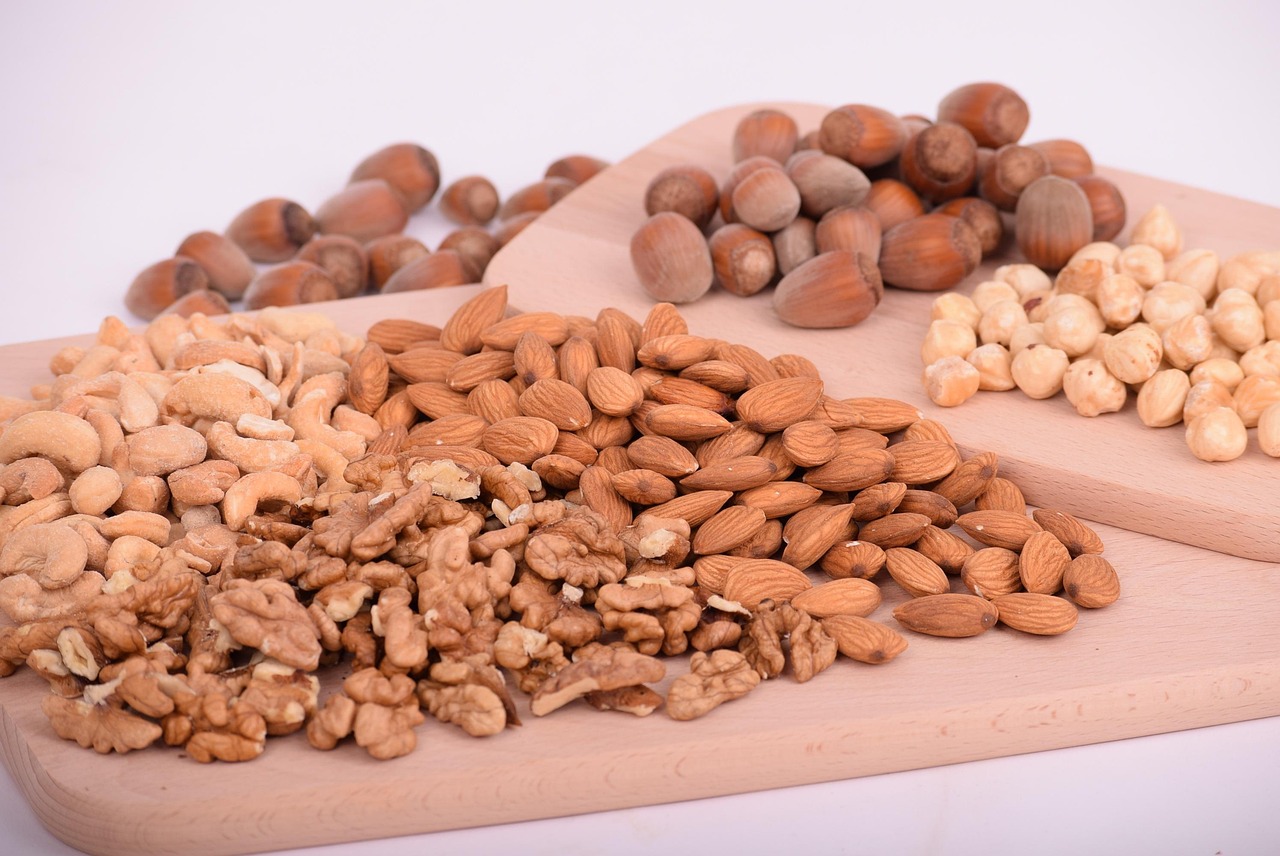
Avocado, nuts (almonds, walnuts), seeds (chia, flax, hemp), olive oil, fatty fish (salmon, mackerel).
Actionable Takeaway: Include moderate amounts of healthy fats in your diet for sustained energy and overall well-being, but avoid large quantities immediately before a workout as they can slow digestion.
Pre-Workout Powerhouse: Fueling for Optimal Performance
What you eat before your workout can make or break your performance. The goal is to provide your body with readily available energy without causing digestive distress.
Timing is Everything
The timing of your pre-workout meal is almost as important as the food itself.
2-3 Hours Before: A balanced meal containing complex carbohydrates, lean protein, and a small amount of healthy fats. This allows ample time for digestion and nutrient absorption.
Example: Oatmeal with berries and a scoop of protein powder, or whole-wheat toast with avocado and a hard-boiled egg.
30-60 Minutes Before: A smaller, easily digestible snack, primarily consisting of simple carbohydrates for quick energy, possibly with a small amount of protein.
Example: Banana, a handful of dried fruit, or a rice cake with a thin layer of almond butter.
- Actionable Takeaway: Experiment with timing and food choices to find what works best for your body and



Post Comment