The Home Kitchen: Decoding Visceral Fat Through Gut & Hormones.
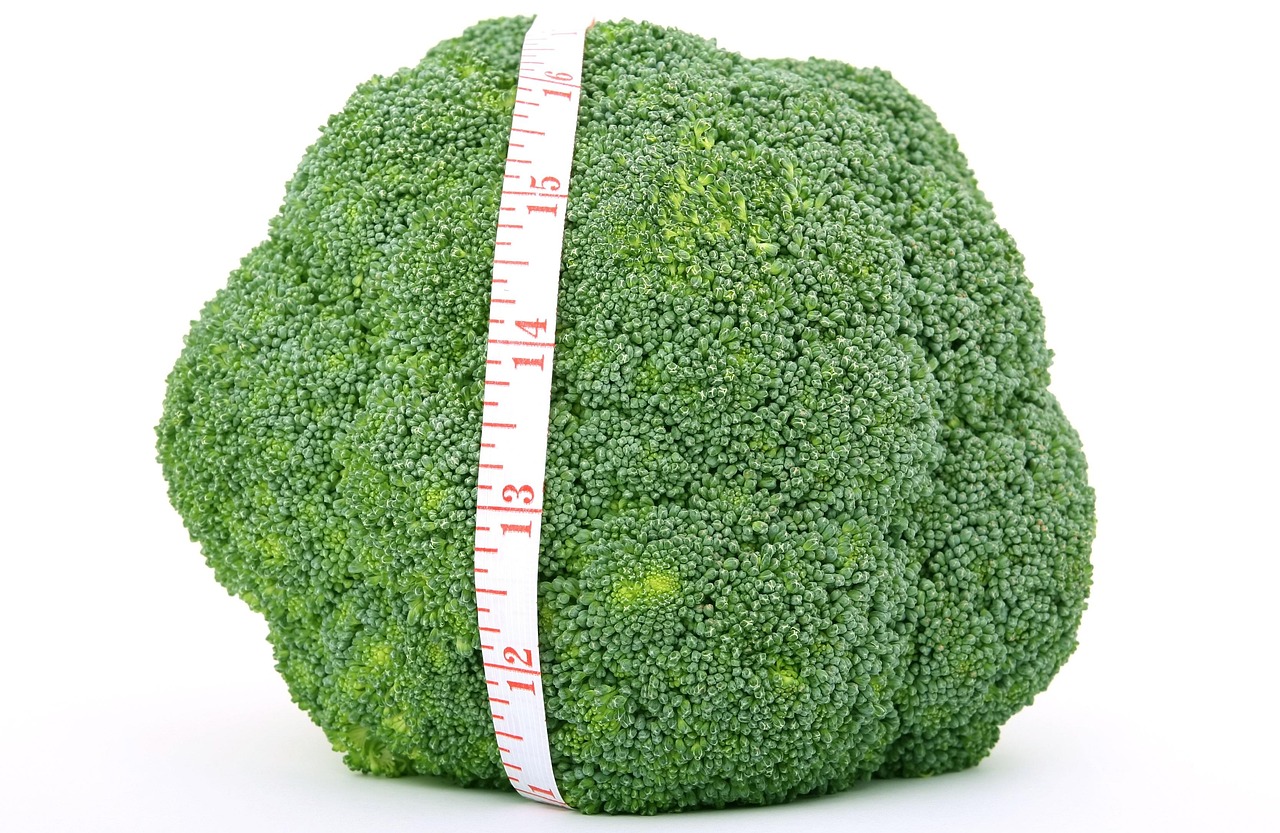
Tired of battling stubborn belly fat? You’re not alone. Many people seek effective ways to reduce abdominal fat, not just for aesthetics, but also for overall health. The good news is that achieving a flatter stomach doesn’t always require expensive gym memberships or extreme diets. With consistent effort and smart choices, you can significantly reduce belly fat right from the comfort of your home. This detailed guide will walk you through practical, science-backed strategies to help you on your journey to a healthier, leaner you.
Nutrition: The Cornerstone of Abdominal Fat Reduction
When it comes to reducing belly fat, what you eat plays a more significant role than any number of crunches. Your diet directly impacts fat storage, metabolism, and even stress levels, all of which influence the size of your waistline.
Focus on Whole, Unprocessed Foods
The foundation of any successful fat loss plan is a diet rich in whole, unprocessed foods. These foods are packed with nutrients, fiber, and protein, which keep you feeling full and satisfied, reducing the likelihood of overeating and unhealthy snacking.
Lean Proteins: Chicken breast, turkey, fish (salmon, tuna), eggs, lentils, beans, tofu. Protein helps build muscle, which boosts metabolism, and has a high thermic effect, meaning your body burns more calories digesting it.
Fruits and Vegetables: Berries, apples, leafy greens (spinach, kale), broccoli, bell peppers. These are low in calories but high in fiber, vitamins, and antioxidants. Aim for a colorful variety to ensure a broad spectrum of nutrients.
Whole Grains: Oats, quinoa, brown rice, whole-wheat bread. Unlike refined grains, whole grains retain their fiber content, aiding digestion and promoting satiety.
Healthy Fats: Avocados, nuts (almonds, walnuts), seeds (chia, flax), olive oil. While calorie-dense, healthy fats are crucial for hormone production, nutrient absorption, and keeping hunger at bay.
Prioritize Protein and Fiber
Protein and fiber are your best allies in the fight against belly fat. They work synergistically to promote satiety, stabilize blood sugar, and support healthy digestion.
Protein Power: Studies show that a higher protein intake can significantly reduce appetite and boost metabolism. For instance, increasing protein intake from 15% to 30% of total calories has been shown to result in significant fat loss.
Fiber’s Benefits: Soluble fiber, found in oats, beans, apples, and citrus fruits, forms a gel with water in your gut, slowing down digestion and nutrient absorption. This leads to reduced appetite and a sustained feeling of fullness. Research indicates that for every 10-gram increase in soluble fiber intake, visceral fat accumulation decreased by 3.7% over five years.
Mindful Eating and Portion Control
Even with healthy food choices, overeating can hinder your progress. Practicing mindful eating and controlling portion sizes are crucial for creating the calorie deficit needed for fat loss.
Eat Slowly: Savor your food and chew thoroughly. It takes about 20 minutes for your brain to register fullness.
Listen to Your Body: Eat when you’re hungry, stop when you’re



Post Comment